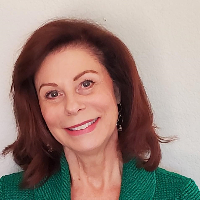
About Carolyn
Carolyn (Lyn) Beyer uses a collaborative, person-centered approach to help people manage stress, anxiety, grief, depression, trauma, and life transitions. She is a Licensed Professional Counselor (LPC) in Wisconsin with 24 years of clinical experience. Lyn emphasizes partnership in the room and trusts each person to know their own life best.
Her sessions focus on practical skills and steady support. She draws on Cognitive Behavioral Therapy to spot and change unhelpful thinking.
Background and approach
Mindfulness and Acceptance and Commitment Therapy help clients notice difficult feelings and move toward valued actions. Lyn has worked with many people coping with trauma and loss. She also supports those facing addiction, relationship or intimacy concerns, eating issues, low self-esteem, career questions, and compassion fatigue.
Additional areas she attends to include abandonment, codependency, family of origin issues, and midlife transitions. Her style is warm and straightforward. She listens first, then offers tools and gentle challenge.
Clients can expect clear options for tackling problems and time to practice new ways of responding. Outside of work Lyn is a mother, grandmother, hiker, and yoga enthusiast. She describes herself as honest, compassionate, and disciplined.
Her long career has underscored one simple lesson for her: the connection between a person and their therapist matters most.
Online approaches that meet you where you are
Acceptance and Commitment Therapy, or ACT, helps people notice painful thoughts and feelings without getting stuck in them. It focuses on clarifying personal values and taking small steps toward a meaningful life even when emotions are hard. Cognitive Behavioral Therapy, or CBT, looks at how thoughts, feelings, and actions interact and teaches practical strategies to change patterns that cause distress. Mindfulness-based work teaches simple attention and breathing practices to reduce reactivity and improve emotional regulation.Finding the right approach is a shared process. The therapist will talk with each person about goals, preferences, and what has or hasn’t worked before. Together they will try methods that fit the situation and adjust the plan as needed to make therapy useful and manageable.
Online therapy offers flexibility for many people. Video calls let sessions feel more like in-person meetings while still saving travel time. Phone sessions can be easier when bandwidth is limited or for quick check-ins. Live chat and text-based messaging make it possible to get support between longer sessions or to choose a shorter, written way to process thoughts. These options help therapy fit into busy schedules and different daily rhythms.
Questions people ask
What kinds of concerns does Lyn help address?
What is her therapeutic style like?
How much clinical experience does she have?
What credentials and location are listed?
Are sessions offered in other languages?
What session formats are available?
How are fees and billing handled?
How do I begin working with her?
What this counselor works with
Most often
Also listed
- Abandonment
- Addictions
- Cancer
- Career difficulties
- Coaching
- Codependency
- Communication problems
- Compassion fatigue
- Coping with life changes
- Coping with natural or human-caused disaster
- Depression
- Divorce and separation
- Domestic violence
- Eating disorders
- Emptiness
- Family conflicts
- Family of origin issues
- First responder issues
- Forgiveness
- Guilt and shame
- Intimacy-related issues
- LGBT
- Life purpose
- Midlife crisis
- Mood disorders
- Multicultural concerns
- Panic disorder and panic attacks
- Post-traumatic stress
- Relationship issues
- Self esteem
- Self-harm
- Self-love
- Sexual assault and abuse
- Social anxiety and phobia
- Women's issues
- Workplace issues
Therapeutic approaches
- Experience
- 24 years
- Licensed
- Wisconsin
- Languages
- English