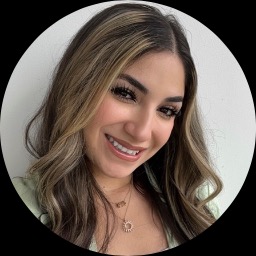
About Alondra
Alondra Faudoa offers short, direct support for people feeling overwhelmed by stress, anxiety, or low mood. She creates a calm, welcoming space and speaks both English and Spanish. As an IL LCPC she brings three years of clinical experience to each session.
Alondra focuses on practical work around relationships, trauma and abuse, self-esteem, and mood disorders. She helps people who struggle with panic, paranoia, or the aftermath of separation and loss.
Background and approach
Her approach includes attention to multicultural experiences and the ways identity can affect wellbeing. In sessions she listens first, then helps set clear goals. Conversations often include skill practice for anxiety, strategies to manage strong emotions, and ways to improve communication.
She tailors the work to the person in front of her rather than using a single method. Alondra is bilingual and bicultural, which can help Spanish speakers feel understood when discussing cultural or family pressures. She also supports people dealing with abandonment, attachment wounds, guilt, or feeling isolated.
The tone of therapy is collaborative and straightforward. People who choose her can expect a mix of talking and hands-on tools aimed at immediate relief and longer-term change. She guides clients through coping skills, processing difficult memories, and rebuilding connection to life purpose.
Sessions are offered across video, phone, live chat, and messaging formats.
Approaches that guide online work and healing
Alondra uses evidence-based therapeutic techniques that combine skills training and trauma-focused approaches. Cognitive behavioral strategies focus on how thoughts, feelings, and behaviors connect and teach practical skills to reduce anxiety and improve mood. Trauma-informed methods help people process difficult memories and build safety in the present so they can move forward from past harm.Finding the right approach is a shared task. She collaborates with each person to pick methods that match their goals, tolerance for processing, and everyday needs. That plan can change over time as progress is made or new priorities emerge.
Online therapy is offered through video calls, phone sessions, live chat, and text-based messaging to provide flexibility. Video is useful for longer, interactive sessions and skill practice. Phone calls can be a simpler option when signal or bandwidth vary. Live chat and messaging allow brief check-ins, homework support, and ongoing contact between sessions. These options help fit therapy into work, family life, and different routines.
Questions people ask
What concerns does she help with?
What is her therapeutic style?
How much clinical experience does she have?
What credentials and location apply?
Which languages are supported?
What session formats are available?
How are costs and billing handled?
How do I begin working with her?
What this counselor works with
Most often
- Stress, Anxiety
- Relationship issues
- Trauma and abuse
Also listed
- Abandonment
- Attachment issues
- Communication problems
- Depression
- Divorce and separation
- Forgiveness
- Guilt and shame
- Impulsivity
- Isolation / loneliness
- Life purpose
- Mood disorders
- Multicultural concerns
- Panic disorder and panic attacks
- Paranoia
- Personality disorders
- Post-traumatic stress
- Seasonal Affective Disorder (SAD)
- Self esteem
- Self-love
- Social anxiety and phobia
- Somatization
- Women's issues
- Workplace issues
- Young adult issues
- Experience
- 3 years
- Licensed
- Illinois
- Languages
- English, Spanish