
Dr. Chinell Collins, LPC
Pennsylvania · 15 yrs exp
Works with Stress, Anxiety / Addictions / Trauma and abuse +14
Works by Cognitive Behavioral Therapy (CBT) / Dialectical Behavior Therapy (DBT)
View ProfileThe therapist listings are provided by BetterHelp and we will earn a commission if you use our link - at no cost to you.
This page lists licensed professional counselors who identify dissociation as a focus area. You can review counselor profiles below to compare focus areas, therapeutic approaches, languages, and experience.
Use the listings to learn more about counselors who hold LPC, LPCC, or LCPC credentials and how they describe their work with dissociation.
Pennsylvania · 15 yrs exp
Works with Stress, Anxiety / Addictions / Trauma and abuse +14
Works by Cognitive Behavioral Therapy (CBT) / Dialectical Behavior Therapy (DBT)
View Profile
Colorado · 17 yrs exp
Works with Relationship / Trauma and abuse / Parenting +9
Works by Acceptance and Commitment Therapy (ACT) / Attachment-Based Therapy
View Profile
Michigan · 5 yrs exp
Works with Stress, Anxiety / Relationship / Family +13
Works by Acceptance and Commitment Therapy (ACT) / Cognitive Behavioral Therapy (CBT)
View Profile
Texas · 10 yrs exp
Works with Stress, Anxiety / Relationship / Family +15
Works by Acceptance and Commitment Therapy (ACT) / Attachment-Based Therapy
View Profile
Ohio · 33 yrs exp
Works with Stress, Anxiety / Family / Trauma and abuse +13
Works by Client-Centered Therapy / Cognitive Behavioral Therapy (CBT)
View Profile
Georgia · 14 yrs exp
Works with Stress, Anxiety / LGBT / Trauma and abuse +10
Works by Client-Centered Therapy / Cognitive Behavioral Therapy (CBT)
View Profile
Missouri · 14 yrs exp
Works with Stress, Anxiety / Self esteem / Career +14
Works by Acceptance and Commitment Therapy (ACT) / Attachment-Based Therapy
View Profile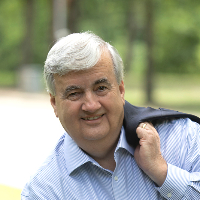
Texas · 23 yrs exp
Works with Stress, Anxiety / Relationship / Self esteem +12
Works by Client-Centered Therapy / Cognitive Behavioral Therapy (CBT)
View Profile
Georgia · 17 yrs exp
Works with Relationship / Family / Trauma and abuse +14
Works by Acceptance and Commitment Therapy (ACT) / Attachment-Based Therapy
View Profile
Illinois · 12 yrs exp
Works with Trauma and abuse / Self esteem / Coping with life changes +9
Works by Acceptance and Commitment Therapy (ACT) / Attachment-Based Therapy
View Profile
Pennsylvania · 13 yrs exp
Works with Stress, Anxiety / Trauma and abuse / Grief +13
Works by Acceptance and Commitment Therapy (ACT) / Client-Centered Therapy
View Profile
Michigan · 13 yrs exp
Works with Stress, Anxiety / Addictions / Trauma and abuse +17
Works by Acceptance and Commitment Therapy (ACT) / Client-Centered Therapy
View Profile
North Carolina · 20 yrs exp
Works with Stress, Anxiety / Addictions / LGBT +2
Works by Acceptance and Commitment Therapy (ACT) / Client-Centered Therapy
View Profile
Texas · 18 yrs exp
Works with Stress, Anxiety / Addictions / LGBT +15
Works by Attachment-Based Therapy / Client-Centered Therapy
View Profile
South Carolina · 8 yrs exp
Works with Stress, Anxiety / Trauma and abuse / Self esteem +17
Works by Attachment-Based Therapy / Client-Centered Therapy
View Profile
Illinois · 5 yrs exp
Works with Stress, Anxiety / Addictions / Self esteem +2
View Profile
Vermont · 11 yrs exp
Works with Stress, Anxiety / Trauma and abuse / Self esteem +14
Works by Acceptance and Commitment Therapy (ACT) / Client-Centered Therapy
View Profile
Montana · 23 yrs exp
Works with Stress, Anxiety / Family / Trauma and abuse +13
Works by Acceptance and Commitment Therapy (ACT) / Attachment-Based Therapy
View Profile
Texas · 19 yrs exp
Works with Stress, Anxiety / Relationship / Family +13
Works by Client-Centered Therapy / Cognitive Behavioral Therapy (CBT)
View Profile
Arkansas · 13 yrs exp
Works with Stress, Anxiety / Relationship / Trauma and abuse +14
Works by Acceptance and Commitment Therapy (ACT) / Attachment-Based Therapy
View Profile
Oklahoma · 9 yrs exp
Works with Stress, Anxiety / Anger / Self esteem +17
Works by Acceptance and Commitment Therapy (ACT) / Attachment-Based Therapy
View Profile
Texas · 10 yrs exp
Works with Stress, Anxiety / LGBT / Relationship +15
Works by Client-Centered Therapy / Cognitive Behavioral Therapy (CBT)
View Profile
South Carolina · 15 yrs exp
Works with Stress, Anxiety / Trauma and abuse / Anger +14
Works by Acceptance and Commitment Therapy (ACT) / Attachment-Based Therapy
View Profile
Texas · 15 yrs exp
Works with Stress, Anxiety / Addictions / LGBT +12
Works by Acceptance and Commitment Therapy (ACT) / Attachment-Based Therapy
View Profile
Texas · 12 yrs exp
Works with Stress, Anxiety / Addictions / Relationship +15
Works by Acceptance and Commitment Therapy (ACT) / Attachment-Based Therapy
View Profile
Mississippi · 20 yrs exp
Works with Stress, Anxiety / Addictions / Trauma and abuse +15
Works by Acceptance and Commitment Therapy (ACT) / Client-Centered Therapy
View Profile
Texas · 15 yrs exp
Works with Addictions / Trauma and abuse / Grief +11
Works by Client-Centered Therapy / Cognitive Behavioral Therapy (CBT)
View Profile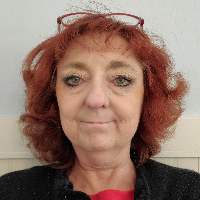
Oklahoma · 3 yrs exp
Works with Stress, Anxiety / Anger / Depression +8
Works by Cognitive Behavioral Therapy (CBT) / Eye Movement Desensitization and Reprocessing (EMDR)
View Profile
Oklahoma · 25 yrs exp
Works with Stress, Anxiety / Family / Trauma and abuse +16
Works by Client-Centered Therapy / Cognitive Behavioral Therapy (CBT)
View Profile
Texas · 22 yrs exp
Works with Stress, Anxiety / Trauma and abuse / Grief +15
Works by Cognitive Behavioral Therapy (CBT) / Motivational Interviewing
View Profile
Ohio · 13 yrs exp
Works with Stress, Anxiety / Relationship / Family +14
Works by Acceptance and Commitment Therapy (ACT) / Attachment-Based Therapy
View Profile
Georgia · 10 yrs exp
Works with Stress, Anxiety / Family / Trauma and abuse +12
Works by Attachment-Based Therapy / Client-Centered Therapy
View Profile
Texas · 16 yrs exp
Works with Stress, Anxiety / Addictions / Relationship +10
Works by Attachment-Based Therapy / Client-Centered Therapy
View Profile
Texas · 12 yrs exp
Works with Stress, Anxiety / Trauma and abuse / Parenting +12
Works by Client-Centered Therapy / Cognitive Behavioral Therapy (CBT)
View Profile
Texas · 20 yrs exp
Works with Stress, Anxiety / Relationship / Depression +13
Works by Acceptance and Commitment Therapy (ACT) / Attachment-Based Therapy
View Profile
Illinois · 23 yrs exp
Works with Stress, Anxiety / Trauma and abuse / Anger +12
Works by Acceptance and Commitment Therapy (ACT) / Client-Centered Therapy
View Profile
Pennsylvania · 28 yrs exp
Works with Addictions / Relationship / Family +4
Works by Acceptance and Commitment Therapy (ACT) / Attachment-Based Therapy
View Profile
Kentucky · 15 yrs exp · 2 languages
Works with Stress, Anxiety / Relationship / Family +17
Works by Acceptance and Commitment Therapy (ACT) / Client-Centered Therapy
View Profile
Texas · 37 yrs exp
Works with Stress, Anxiety / Relationship / Trauma and abuse +15
Works by Attachment-Based Therapy / Client-Centered Therapy
View Profile
Texas · 13 yrs exp
Works with Stress, Anxiety / Family / Trauma and abuse +14
Works by Client-Centered Therapy / Cognitive Behavioral Therapy (CBT)
View Profile
New Jersey · 25 yrs exp
Works with Stress, Anxiety / Addictions / Trauma and abuse +13
Works by Acceptance and Commitment Therapy (ACT) / Attachment-Based Therapy
View Profile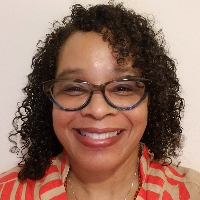
Kentucky · 25 yrs exp
Works with Stress, Anxiety / Trauma and abuse / Self esteem +10
Works by Client-Centered Therapy / Cognitive Behavioral Therapy (CBT)
View Profile
Arizona · 20 yrs exp
Works with Stress, Anxiety / Trauma and abuse / Self esteem +2
Works by Acceptance and Commitment Therapy (ACT) / Attachment-Based Therapy
View Profile
Iowa · 4 yrs exp
Works with Stress, Anxiety / Addictions / Grief +2
View Profile
Mississippi · 15 yrs exp
Works with Stress, Anxiety / Relationship / Family +15
Works by Acceptance and Commitment Therapy (ACT) / Client-Centered Therapy
View Profile
Texas · 3 yrs exp
Works with Stress, Anxiety / Depression / Addictions +11
Works by Client-Centered Therapy / Cognitive Behavioral Therapy (CBT)
View Profile
Texas · 4 yrs exp · 2 languages
Works with Stress, Anxiety / Relationship / Self esteem +12
Works by Cognitive Behavioral Therapy (CBT) / Emotionally-Focused Therapy (EFT)
View Profile
Nevada · 12 yrs exp
Works with Stress, Anxiety / LGBT / Trauma and abuse +15
Works by Client-Centered Therapy / Cognitive Behavioral Therapy (CBT)
View ProfileDissociation is a term clinicians use to describe a range of experiences in which a person feels disconnected from aspects of their thoughts, memories, body, or surroundings. For some people this shows up as brief episodes of spacing out during stressful moments. For others it can involve more pronounced changes in memory, a sense that parts of experience feel distant or not belonging to the self, or feeling detached from emotions and physical sensations. Dissociation is a human response that can occur after overwhelming events, prolonged stress, or in situations where normal processing of experience is disrupted.
You may notice dissociative experiences in different ways. Some people describe time gaps in memory, finding themselves somewhere without remembering how they arrived. Others report feeling as if they are watching themselves from outside their body or as if the world is unreal. Dissociation can affect concentration, day-to-day routines, relationships, and your ability to recall important life events. It often co-occurs with trauma-related memories, anxiety, or mood changes, but it is experienced uniquely by each person.
Understanding dissociation as a protective or regulatory response can help you recognize why it developed and what might help you manage it in daily life. A counselor can help you name these experiences and work with you to build skills that reduce disruption and increase a sense of continuity in your daily functioning.
If dissociative experiences are frequent, distressing, or interfere with your ability to work, study, or maintain relationships, you might consider seeking a counselor who lists dissociation among their focus areas. You may be having trouble remembering conversations, appointments, or chunks of time. You may find yourself emotionally numb when you wish to feel connected, or you may notice sudden shifts in mood and identity that are hard to explain to others. These patterns can be disorienting and can make it difficult to manage responsibilities or stay present in important moments.
You might also consider professional support if distressing memories emerge and are accompanied by a tendency to disconnect from your body, surroundings, or current emotions. People sometimes seek counseling when dissociation increases after a triggering event, or when coping strategies that once worked begin to fail. Even if you are unsure whether your experience qualifies as dissociation in a clinical sense, it can be helpful to talk with a licensed counselor about what you are experiencing and what practical steps you can try.
Because this directory lists counselors who hold state licenses, you can look for professionals whose profiles emphasize trauma-informed practice, stabilization skills, or experience working with dissociative experiences. Remember that listed credentials indicate licensure; they do not certify any single therapeutic approach or outcome.
When you begin meeting with a licensed professional counselor, the first phase of work commonly involves building rapport and developing a shared understanding of your experiences. A counselor will ask about the nature and frequency of dissociative episodes, triggers you have noticed, and how these experiences affect your daily life. You can expect conversation about your goals - whether that is reducing the frequency of dissociative moments, improving memory continuity, managing triggers, or increasing emotional regulation - and practical steps to measure progress over time.
Much of early counseling work often focuses on stabilization - helping you develop skills to manage overwhelming feelings and to remain grounded when dissociation occurs. This can include breath regulation, grounding strategies that anchor you in the present, and skills to notice early warning signs. Counselors generally pace this work to match your readiness, giving you practical techniques to use between sessions without pushing for immediate recall of traumatic memories if you are not prepared for that.
As you build stability, sessions may shift toward processing experiences that contribute to dissociation and integrating memory and identity in ways that feel manageable. The exact sequencing and emphasis depend on your goals and the approaches the counselor lists on their profile. Some counselors will work gradually and skillfully to help you connect fragmented memories with present awareness, while continuing to emphasize skills for safety and regulation.
Counselors who list dissociation among their focus areas often describe a range of approaches they use to help people manage symptoms and improve daily functioning. You will find therapists who list methods that emphasize body-based regulation, narrative integration, or structured cognitive strategies. Some counselors highlight approaches that focus on resourcing and skill-building, while others emphasize gradual memory processing or experiential work. Because this directory records only what counselors list on their profiles, a listed approach indicates that a counselor includes it among their tools rather than proving formal certification in that method.
When you read profiles, you may see names of specific approaches that have been used by clinicians in the field. Typical descriptions you will encounter include therapies that focus on stabilizing the nervous system, approaches aimed at integrating memory and identity, and techniques that work with bodily sensations to increase present-moment awareness. Counselors who list exposure-based or resourcing strategies are often careful to balance processing with ongoing stabilization. It is reasonable to look for counselors who explicitly describe working at a pace that honors your readiness and who emphasize ongoing skill-building alongside deeper processing.
Online counseling is commonly used by people seeking help for dissociation because it can increase convenience, broadens geographic choice, and allows you to meet a counselor from your home or another familiar setting. Sessions by video or phone can provide the continuity of weekly meetings and the practical supports you need to practice grounding and regulation skills in the environment where you live. Some people find that having tools and skill practice integrated into their everyday setting helps transfer gains from sessions into daily life.
When you consider online counseling, think about how you will create a calm, interruption-free environment for sessions. You may want a comfortable chair, low-distraction lighting, and a plan for brief grounding between sessions if strong emotions arise. Counselors typically discuss technology, privacy preferences, and emergency planning at the start of remote work so you both know how to handle moments when you feel overwhelmed. Because state licensure governs practice, counselors listed here are licensed to practice under the titles used by their state board; cross-state practice rules vary, so it is useful to note the state listed on a counselor profile if you plan ongoing remote work.
Licensed professional counselors are credentialed at the state level, and the exact title varies. Most states use LPC (Licensed Professional Counselor). Some states use LPCC (Licensed Professional Clinical Counselor) in places like Ohio, California, Kentucky, and Minnesota. Other states use LCPC (Licensed Clinical Professional Counselor) in places such as Illinois, Maryland, and Montana. In a few states the naming reflects a step in licensure or a board-specific title rather than a difference in profession. The license generally requires a masters degree in counseling, a state-set period of supervised postgraduate clinical experience commonly running two to three years and several thousand hours, and passing a national examination. State boards issue and renew these licenses, so requirements and titles vary by state.
When you browse profiles, focus on how counselors describe their work with dissociation, the populations they emphasize, and the kinds of skills and goals they prioritize. Look for clear language about pacing, stabilization, and whether the counselor mentions working with memory, identity continuity, or body-based regulation. Pay attention to languages spoken and years of experience if those matter to you. Keep in mind that the directory confirms licensure under one of the three titles, but it does not verify specific training in any single therapeutic model. If you want a counselor who lists a particular approach among their tools, that information is typically included on their profile as a self-described area of practice.
Finally, consider practical fit - whether the counselor communicates in ways that feel respectful and understandable, whether their stated focus areas match what you want to address, and whether you feel comfortable with the pacing they describe in their profile. Because these listings are for counselors who hold state licenses rather than for other licensed professions, you will know you are viewing profiles of professionals credentialed as LPC, LPCC, or LCPC. That clarity can help you narrow choices and prepare informed questions when you contact a counselor for an initial conversation.
Alabama
238 therapists
Alaska
20 therapists
Arizona
196 therapists
Arkansas
116 therapists
California
174 therapists
Colorado
346 therapists
Connecticut
79 therapists
Delaware
4 therapists
District of Columbia
26 therapists
Florida
152 therapists
Georgia
623 therapists
Hawaii
5 therapists
Idaho
90 therapists
Illinois
383 therapists
Indiana
22 therapists
Iowa
11 therapists
Kansas
41 therapists
Kentucky
128 therapists
Louisiana
310 therapists
Maine
42 therapists
Maryland
174 therapists
Massachusetts
5 therapists
Michigan
318 therapists
Minnesota
117 therapists
Mississippi
151 therapists
Missouri
388 therapists
Montana
78 therapists
Nebraska
12 therapists
Nevada
36 therapists
New Hampshire
7 therapists
New Jersey
261 therapists
New Mexico
61 therapists
New York
32 therapists
North Carolina
89 therapists
North Dakota
12 therapists
Ohio
281 therapists
Oklahoma
278 therapists
Oregon
89 therapists
Pennsylvania
523 therapists
Rhode Island
4 therapists
South Carolina
281 therapists
South Dakota
28 therapists
Tennessee
143 therapists
Texas
1899 therapists
Utah
19 therapists
Vermont
8 therapists
Virginia
287 therapists
Washington
19 therapists
West Virginia
46 therapists
Wisconsin
210 therapists
Wyoming
45 therapists