
Ruth Vanden Bosch, LPC
Michigan · 25 yrs exp
Works with Stress, Anxiety / LGBT / Relationship +11
Works by Attachment-Based Therapy / Cognitive Behavioral Therapy (CBT)
View ProfileThe therapist listings are provided by BetterHelp and we will earn a commission if you use our link - at no cost to you.
This page lists licensed professional counselors who focus on aging and geriatric issues. Use the profiles below to learn about counselors' credentials, focus areas, and experience related to aging.
Browse the listings to read short bios and choose counselors to learn more about their background and how they describe their work with older adults and caregivers.
Michigan · 25 yrs exp
Works with Stress, Anxiety / LGBT / Relationship +11
Works by Attachment-Based Therapy / Cognitive Behavioral Therapy (CBT)
View Profile
Mississippi · 16 yrs exp
Works with Stress, Anxiety / Relationship / Family +7
Works by Cognitive Behavioral Therapy (CBT) / Gottman Method
View Profile
Louisiana · 7 yrs exp
Works with Stress, Anxiety / Family / Trauma and abuse +16
Works by Acceptance and Commitment Therapy (ACT) / Attachment-Based Therapy
View Profile
Maryland · 6 yrs exp
Works with Stress, Anxiety / Trauma and abuse / Self esteem +11
Works by Attachment-Based Therapy / Client-Centered Therapy
View Profile
Texas · 22 yrs exp
Works with Stress, Anxiety / Grief / Career +10
Works by Client-Centered Therapy / Cognitive Behavioral Therapy (CBT)
View Profile
Texas · 10 yrs exp
Works with Stress, Anxiety / Relationship / Family +15
Works by Acceptance and Commitment Therapy (ACT) / Attachment-Based Therapy
View Profile
Ohio · 18 yrs exp
Works with Stress, Anxiety / Trauma and abuse / Grief +12
Works by Acceptance and Commitment Therapy (ACT) / Client-Centered Therapy
View Profile
Ohio · 33 yrs exp
Works with Stress, Anxiety / Family / Trauma and abuse +13
Works by Client-Centered Therapy / Cognitive Behavioral Therapy (CBT)
View Profile
Illinois · 10 yrs exp
Works with Stress, Anxiety / LGBT / Relationship +11
Works by Client-Centered Therapy / Emotionally-Focused Therapy (EFT)
View Profile
Oklahoma · 30 yrs exp
Works with Stress, Anxiety / Grief / Intimacy-related issues +9
Works by Client-Centered Therapy / Cognitive Behavioral Therapy (CBT)
View Profile
Georgia · 14 yrs exp
Works with Stress, Anxiety / LGBT / Trauma and abuse +10
Works by Client-Centered Therapy / Cognitive Behavioral Therapy (CBT)
View Profile
Louisiana · 10 yrs exp
Works with Stress, Anxiety / Grief / Anger +9
Works by Client-Centered Therapy / Cognitive Behavioral Therapy (CBT)
View Profile
Wisconsin · 26 yrs exp
Works with Stress, Anxiety / Self esteem / Career +12
Works by Acceptance and Commitment Therapy (ACT) / Attachment-Based Therapy
View Profile
Missouri · 14 yrs exp
Works with Stress, Anxiety / Self esteem / Career +14
Works by Acceptance and Commitment Therapy (ACT) / Attachment-Based Therapy
View Profile
Montana · 16 yrs exp
Works with Stress, Anxiety / Relationship / Self esteem +12
Works by Client-Centered Therapy / Cognitive Behavioral Therapy (CBT)
View Profile
Texas · 10 yrs exp · 2 languages
Works with Stress, Anxiety / Relationship / Anger +17
Works by Cognitive Behavioral Therapy (CBT) / Solution-Focused Therapy
View Profile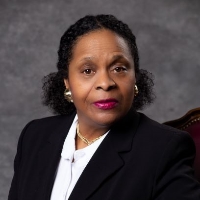
Missouri · 20 yrs exp
Works with Stress, Anxiety / Addictions / Trauma and abuse +15
Works by Client-Centered Therapy / Cognitive Behavioral Therapy (CBT)
View Profile
Texas · 23 yrs exp
Works with Stress, Anxiety / Relationship / Self esteem +12
Works by Client-Centered Therapy / Cognitive Behavioral Therapy (CBT)
View Profile
Mississippi · 25 yrs exp
Works with Stress, Anxiety / Relationship / Family +16
Works by Acceptance and Commitment Therapy (ACT) / Client-Centered Therapy
View Profile
Michigan · 11 yrs exp
Works with Stress, Anxiety / Trauma and abuse / Self esteem +7
Works by Acceptance and Commitment Therapy (ACT) / Attachment-Based Therapy
View Profile
Georgia · 17 yrs exp
Works with Relationship / Family / Trauma and abuse +14
Works by Acceptance and Commitment Therapy (ACT) / Attachment-Based Therapy
View Profile
Ohio · 20 yrs exp · 2 languages
Works with Stress, Anxiety / Addictions / Relationship +16
Works by Acceptance and Commitment Therapy (ACT) / Client-Centered Therapy
View Profile
Oklahoma · 12 yrs exp
Works with Anger / Coping with life changes / Relationship +2
Works by Cognitive Behavioral Therapy (CBT)
View Profile
Florida · 12 yrs exp
Works with Stress, Anxiety / Addictions / Parenting +9
Works by Client-Centered Therapy / Cognitive Behavioral Therapy (CBT)
View Profile
Texas · 14 yrs exp
Works with Stress, Anxiety / Addictions / Anger +11
Works by Client-Centered Therapy / Cognitive Behavioral Therapy (CBT)
View Profile
Illinois · 12 yrs exp
Works with Trauma and abuse / Self esteem / Coping with life changes +9
Works by Acceptance and Commitment Therapy (ACT) / Attachment-Based Therapy
View Profile
Oklahoma · 13 yrs exp
Works with Stress, Anxiety / Relationship / Grief +8
Works by Client-Centered Therapy / Cognitive Behavioral Therapy (CBT)
View Profile
Louisiana · 28 yrs exp
Works with Stress, Anxiety / Relationship / Grief +16
Works by Acceptance and Commitment Therapy (ACT) / Attachment-Based Therapy
View Profile
Texas · 30 yrs exp
Works with Stress, Anxiety / Relationship / Grief +9
Works by Client-Centered Therapy / Cognitive Behavioral Therapy (CBT)
View Profile
Kansas · 17 yrs exp
Works with Stress, Anxiety / Relationship / Family +11
Works by Attachment-Based Therapy / Client-Centered Therapy
View Profile
Illinois · 25 yrs exp
Works with Stress, Anxiety / Grief / Parenting +2
Works by Client-Centered Therapy / Emotionally-Focused Therapy (EFT)
View Profile
Missouri · 17 yrs exp
Works with Stress, Anxiety / Addictions / Relationship +10
Works by Attachment-Based Therapy / Client-Centered Therapy
View Profile
Texas · 11 yrs exp · 2 languages
Works with Stress, Anxiety / Anger / Self esteem +9
Works by Acceptance and Commitment Therapy (ACT) / Client-Centered Therapy
View Profile
Texas · 26 yrs exp
Works with Stress, Anxiety / Relationship / Trauma and abuse +12
Works by Client-Centered Therapy / Cognitive Behavioral Therapy (CBT)
View Profile
South Carolina · 8 yrs exp
Works with Stress, Anxiety / Relationship / Family +12
Works by Client-Centered Therapy / Cognitive Behavioral Therapy (CBT)
View Profile
Michigan · 13 yrs exp
Works with Stress, Anxiety / Addictions / Trauma and abuse +17
Works by Acceptance and Commitment Therapy (ACT) / Client-Centered Therapy
View Profile
Texas · 14 yrs exp
Works with Stress, Anxiety / Anger / Depression +8
Works by Acceptance and Commitment Therapy (ACT) / Client-Centered Therapy
View Profile
Texas · 18 yrs exp
Works with Stress, Anxiety / Addictions / LGBT +15
Works by Attachment-Based Therapy / Client-Centered Therapy
View Profile
South Carolina · 8 yrs exp
Works with Stress, Anxiety / Trauma and abuse / Self esteem +17
Works by Attachment-Based Therapy / Client-Centered Therapy
View Profile
Texas · 30 yrs exp
Works with Stress, Anxiety / Trauma and abuse / Grief +2
View Profile
Alabama · 24 yrs exp
Works with Stress, Anxiety / Addictions / Self esteem +15
Works by Client-Centered Therapy / Cognitive Behavioral Therapy (CBT)
View Profile
Montana · 23 yrs exp
Works with Stress, Anxiety / Family / Trauma and abuse +13
Works by Acceptance and Commitment Therapy (ACT) / Attachment-Based Therapy
View Profile
South Carolina · 20 yrs exp
Works with Stress, Anxiety / Relationship / Trauma and abuse +12
Works by Client-Centered Therapy / Cognitive Behavioral Therapy (CBT)
View Profile
Wisconsin · 30 yrs exp
Works with Stress, Anxiety / Relationship / Family +10
Works by Client-Centered Therapy / Solution-Focused Therapy
View Profile
Colorado · 20 yrs exp
Works with Stress, Anxiety / Anger / Self esteem +11
Works by Client-Centered Therapy / Cognitive Behavioral Therapy (CBT)
View Profile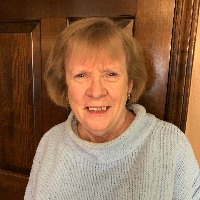
Kansas · 35 yrs exp
Works with Stress, Anxiety / Trauma and abuse / Grief +14
Works by Acceptance and Commitment Therapy (ACT) / Cognitive Behavioral Therapy (CBT)
View Profile
Colorado · 20 yrs exp
Works with Stress, Anxiety / Addictions / Relationship +16
Works by Acceptance and Commitment Therapy (ACT) / Attachment-Based Therapy
View Profile
Texas · 3 yrs exp
Works with Stress, Anxiety / Trauma and abuse / Self esteem +12
Works by Cognitive Behavioral Therapy (CBT) / Mindfulness Therapy
View ProfileAging and geriatric issues describe a range of psychological, emotional, social, and adjustment challenges that tend to arise as people grow older. You may see concerns linked to major life transitions such as retirement, widowhood, moving to a different living arrangement, or the need to manage chronic health conditions. Cognitive changes - from mild memory lapses to progressive neurocognitive disorders - can shift daily routines and relationships. Grief and bereavement often arrive in close succession for older adults, and coping with loss can look different later in life than it did earlier.
These issues also include stressors that affect families and caregivers. You may find yourself supporting an aging parent while balancing work, finances, and your own household responsibilities. Caregiver strain, role adjustments between spouses or adult children, and questions about independence and safety are common. Cultural expectations about aging and family responsibility will shape how people experience these transitions, and your cultural background may influence what outcomes and supports you value most.
Counseling that focuses on aging recognizes how medical, social, and emotional factors interact. It also pays attention to strengths - life experience, resilience, and relationships - rather than only to symptoms. That wellness and developmental orientation is a hallmark of professional counselor training and can be especially useful when you are looking to maintain quality of life while navigating change.
You might consider reaching out to a counselor if everyday functioning or satisfaction with life has declined and you want guidance on practical coping strategies. Changes in sleep, appetite, and motivation, persistent sadness or anxiety, or a withdrawal from activities you used to enjoy can indicate that additional support would be helpful. Cognitive concerns that make managing bills, medication, or appointments difficult are also reasons to consult a professional who understands aging-related needs.
Caregivers frequently notice shifts before the person who is aging does. If you are feeling overwhelmed, exhausted, or uncertain about decisions involving long-term care, housing, or legal and financial planning, a counselor can help you sort priorities and manage stress. Sometimes family conflict emerges around safety and independence. When conversations become heated or decisions are stalled, a counselor can provide a structured setting to explore options and values.
If you are facing a terminal diagnosis or want support with end-of-life planning and meaning-making, counselors who work with older adults often incorporate conversations about goals, legacy, and relationships into their work. Counseling can be useful whether you are dealing with a short-term challenge or planning for a longer transition in later life.
When you start with a licensed professional counselor who works with aging concerns, the first sessions typically involve a conversational assessment. You and the counselor will discuss what prompted you to seek help, your current challenges, your medical and social context, and what matters most to you. Because counselors are licensed by state boards, each professional will bring training that emphasizes functioning, goals, and life context as central to the work.
Ongoing sessions often center on skills and problem solving in the context of your daily life. You may work on mood management, sleep or energy routines, ways to communicate with family members, or planning for changes in living arrangements. When cognitive changes are part of the picture, sessions can include strategies for memory support, environmental adjustments, and caregiver coaching. The pace and focus are tailored to your needs and may shift over weeks or months as circumstances change.
Counselors on this site hold one of the state-recognized licenses for professional counselors. In most states the credential is called LPC. In Ohio, California, Kentucky, and Minnesota it is commonly called LPCC, and in Illinois, Maryland, and Montana it is called LCPC. In some states the naming reflects the board's structure and stages of licensure - for example, a clinical title may be awarded after an additional period of supervised practice - so titles vary by state. All of these licenses require a master’s degree in counseling, a period of supervised postgraduate experience commonly running two to three years and several thousand hours, and a national examination. Licensing and renewal are managed by state boards, and the exact requirements differ across jurisdictions.
Counselors working with older adults draw on a range of approaches that match a person’s needs and preferences. You may find counselors who list cognitive behavioral approaches among their methods when the priority is mood, anxiety, or behavioral strategies for managing symptoms. Others emphasize life review, meaning-centered work, or approaches designed to reduce caregiver stress and improve communication within families. When cognitive impairment is present, counselors often coordinate with medical providers and may focus on adapting routines and supporting caregivers.
It is important to remember that the directory records licensure and what a counselor lists among their approaches; it does not verify specific training in any particular method. You may see profiles that indicate familiarity with techniques such as mindfulness, problem-solving therapy, or interventions for grief and loss. To get a sense of fit, look for counselors who describe experience with the issues most like yours, and pay attention to languages spoken and years of experience working with older adults or caregivers.
You should also avoid confusing counselor licensure with other professions. LCSW, LMFT, LMHC, and psychologist are distinct licenses with different training paths and boards. This directory lists counselors who hold LPC, LPCC, or LCPC credentials, and that fact alone summarizes their educational and licensure pathway rather than the specifics of their clinical approach.
Online counseling can expand your options when mobility, transportation, or geography limit in-person visits. Video or telephone sessions allow you to meet with a counselor from home and can be especially helpful for caregivers coordinating schedules across households. When you consider remote counseling, think about the technology you and the counselor will use and whether you prefer video, audio-only, or blended contact. Some people find video helps maintain connection, while others prefer shorter calls or phone check-ins when vision or hearing make screen time fatiguing.
When you look through profiles, focus on several practical factors. Read how counselors describe their focus areas and any experience they note with aging-related issues and caregiving. Pay attention to credentials - whether the profile lists LPC, LPCC, or LCPC - and the state licensure that applies where the counselor practices. Consider language abilities, cultural familiarity, and any population focus that matches your situation. Compare focus areas, approaches, credentials, languages, and years of experience to get a sense of who might align with your goals.
Think about what matters most to you in a working relationship. Are you seeking help with grief, caregiver stress, adjustment to a medical diagnosis, or memory support? Would you prefer a counselor who emphasizes problem-solving and practical tools, or someone who centers conversations on life review and meaning? While profiles indicate approaches that counselors list, they do not prove specific certifications. Use the descriptions to form questions you can bring into an initial conversation, and expect that your priorities and the counselor's methods will shape the plan you work on together.
Choosing counseling for aging and geriatric concerns is a personal decision and often a collaborative process that includes family members and other professionals. This directory presents licensed professional counselors who hold state-recognized credentials; reviewing profiles with attention to focus areas, licensure title and state, languages, and relevant experience will help you narrow options to those most likely to match your needs. If you are helping a loved one, involve them as much as possible in decisions and look for counselors who describe a respectful, goal-focused orientation to later-life concerns.
Alabama
238 therapists
Alaska
20 therapists
Arizona
196 therapists
Arkansas
116 therapists
California
174 therapists
Colorado
346 therapists
Connecticut
79 therapists
Delaware
4 therapists
District of Columbia
26 therapists
Florida
152 therapists
Georgia
623 therapists
Hawaii
5 therapists
Idaho
90 therapists
Illinois
383 therapists
Indiana
22 therapists
Iowa
11 therapists
Kansas
41 therapists
Kentucky
128 therapists
Louisiana
310 therapists
Maine
42 therapists
Maryland
174 therapists
Massachusetts
5 therapists
Michigan
318 therapists
Minnesota
117 therapists
Mississippi
151 therapists
Missouri
388 therapists
Montana
78 therapists
Nebraska
12 therapists
Nevada
36 therapists
New Hampshire
7 therapists
New Jersey
261 therapists
New Mexico
61 therapists
New York
32 therapists
North Carolina
89 therapists
North Dakota
12 therapists
Ohio
281 therapists
Oklahoma
278 therapists
Oregon
89 therapists
Pennsylvania
523 therapists
Rhode Island
4 therapists
South Carolina
281 therapists
South Dakota
28 therapists
Tennessee
143 therapists
Texas
1899 therapists
Utah
19 therapists
Vermont
8 therapists
Virginia
287 therapists
Washington
19 therapists
West Virginia
46 therapists
Wisconsin
210 therapists
Wyoming
45 therapists