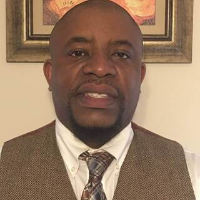
About Terrence
Terrence Wyatt is a licensed professional counselor with 11 years of experience who offers calm, practical support for people facing hard moments. He listens without judgment and helps clients find clear first steps when life feels overwhelming. If someone needs a steady presence while they sort through stress, grief, or relationship pain, he focuses on real, usable changes.
He draws on client-centered methods that put the person's experience first. That means sessions begin with the client's priorities and move at a pace that feels manageable.
Background and approach
He also uses cognitive behavioral ideas to help people spot unhelpful thoughts and try different choices in daily life. Mindfulness practices are woven into sessions to help with stress, anxiety, and staying present when worry feels loud. For those touched by trauma, he uses trauma-focused strategies to reduce painful reactions and build safer routines.
He adds solution-focused techniques to set short, achievable goals and track small wins. Terrence often helps people dealing with depression, grief, anger, and life transitions. He also supports those facing identity-related stress, parenting strains, adoption or blended family challenges, and issues connected to discrimination or multicultural concerns.
Practical problem solving and steady support are central to his work. Sessions are offered in English and take place remotely for people in South Carolina. He meets people where they are and works collaboratively to create steps that fit real life.
How his approaches work online
Terrence blends client-centered work with cognitive behavioral techniques to help people change patterns that cause distress. Client-centered work focuses on listening and following the client's priorities so goals come from what matters most to the person. Cognitive behavioral work helps identify thoughts and behaviors that get in the way and tests small changes to see what helps.He also uses mindfulness practices to reduce reactivity and strengthen attention during stressful moments. These are simple exercises and breathing or grounding techniques people can try between sessions to manage anxiety and stay present.
Choosing a therapeutic approach is a collaborative process. He will work with each person to decide which methods fit their needs, goals, and comfort level. Plans can shift over time as progress is made and new issues arise.
Online therapy offers flexible ways to connect. Video calls let people have fuller conversations and see facial cues. Phone sessions use less bandwidth and can be easier to fit into a work break. Live chat and text-based messaging are useful for brief check-ins, on-the-go support, or when writing out thoughts feels clearer. These options make it easier to keep momentum and practice new skills between sessions.
Questions people ask
What concerns does Terrence address?
What is his therapeutic style like?
How much experience does he have?
What credentials and region are listed?
In which language are sessions offered?
Which session formats are available?
How are costs handled?
How do I begin working with him?
What this counselor works with
Most often
- Stress, Anxiety
- Relationship issues
- Family conflicts
Also listed
- ADHD
- Adoption and foster care
- Anger management
- Blended family issues
- Caregiver issues and stress
- Commitment issues
- Communication problems
- Coping with life changes
- Depression
- Divorce and separation
- Family problems
- Fatherhood issues
- Forgiveness
- Grief
- Guilt and shame
- Intimacy-related issues
- LGBT
- Life purpose
- Men's issues
- Multicultural concerns
- Parenting issues
- Prejudice and discrimination
- Self esteem
- Self-love
- Sexual assault and abuse
- Social anxiety and phobia
- Trauma and abuse
- Workplace issues
- Young adult issues
Therapeutic approaches
- Experience
- 11 years
- Licensed
- South Carolina
- Languages
- English