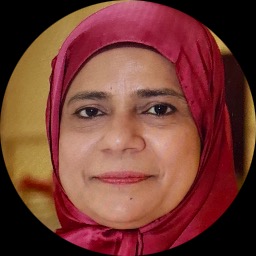
About Tahseen
Tahseen Shaista uses evidence-based therapeutic techniques to help people manage stress, anxiety, depression, attention concerns, trauma, and addiction. She is an Illinois LCPC with 13 years of clinical experience. Tahseen aims for straightforward, practical work so clients can make changes that matter in day-to-day life.
She focuses on helping people cope with overwhelming feelings and regain a sense of control. Sessions often include talking through recent challenges, learning simple strategies to manage mood and focus, and practicing small steps that build confidence.
Background and approach
Tahseen also supports those dealing with grief, loss, and life transitions. Communication and relationship concerns are another area of focus. She helps people untangle codependency, improve communication skills, and set clearer boundaries.
For those facing addiction or domestic violence aftermath, sessions prioritize safety and steady coping skills. Tahseen pays attention to cultural background and how it shapes a person’s experience. She works with issues like guilt, shame, identity conflicts, and midlife questions in ways that respect a person’s values.
Her approach is collaborative and strengths-based; she expects clients to bring insight and resilience to the work. Practical options include talking by video, phone, live chat, or text messaging. Sessions are paced to each client’s needs, with an emphasis on usable tools for managing panic, obsessions, impulsivity, and disruptive mood symptoms.
The goal is clearer thinking, fewer intense reactions, and more reliable daily functioning.
How evidence-based methods translate to online care
Evidence-based techniques are used in straightforward ways to reduce symptoms and improve daily functioning. Cognitive approaches focus on identifying unhelpful thoughts and testing them against real-life evidence to reduce anxiety and depression. Behavioral strategies help people build small, manageable routines and skills for attention, impulse control, and addiction-related urges.Trauma-informed methods emphasize safety, pacing, and grounding skills to reduce overwhelm after difficult experiences. These approaches teach concrete tools such as breathing, grounding exercises, and stepwise exposure to reduce panic and reactivity over time.
Finding the right blend of methods is a collaborative process. The therapist works together with each person to pick approaches that match their goals, cultural background, and daily needs. That means adjusting pace, trying different techniques, and reviewing what is helping as therapy progresses.
Online formats offer practical flexibility. Video calls let the therapist observe nonverbal cues and run interactive exercises, while phone sessions can be easier when bandwidth or camera use is limited. Live chat and text-based messaging work well for brief check-ins, ongoing skill reminders, or when a shorter, focused touchpoint is helpful. These options make it easier to fit therapy into busy schedules and to get steady support between sessions.
Questions people ask
What problems does Tahseen commonly address?
What is her therapeutic style?
How much clinical experience does she have?
What credentials and location are listed?
Can sessions be conducted in languages other than English?
What session formats are available?
How is cost handled for therapy sessions?
What are the first steps to begin therapy?
What this counselor works with
Also listed
- ADHD
- Codependency
- Communication problems
- Depression
- Disruptive Mood Dysregulation Disorder (DMDD)
- Domestic violence
- Drug and alcohol addiction
- Forgiveness
- Guilt and shame
- Impulsivity
- Isolation / loneliness
- Life purpose
- Midlife crisis
- Multicultural concerns
- Narcissism
- Obsessions, compulsions, and OCD
- Panic disorder and panic attacks
- Post-traumatic stress
- Process addiction (porn, exercise, gambling)
- Seasonal Affective Disorder (SAD)
- Self-harm
- Self-love
- Social anxiety and phobia
- Experience
- 13 years
- Licensed
- Illinois
- Languages
- English