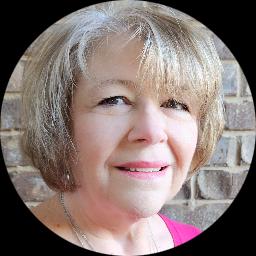
About Susanna
Susanna Cheatham is a licensed professional counselor with 30 years of experience helping people manage stress, anxiety, depression, grief, and relationship struggles. She works with individuals facing trauma and abuse, addiction concerns, parenting strain, and questions about intimacy and self-esteem. People come to her for help with sleep problems, anger, career decisions, and major life changes.
She uses straightforward, person-focused work in sessions. Susanna centers the client's goals and choices and treats counseling as a collaborative process.
Background and approach
She combines practical techniques with a calm, compassionate presence to help people find relief and clearer direction. Her approach blends client-centered listening with evidence-based methods. Cognitive Behavioral Therapy helps identify unhelpful thought patterns and change behaviors.
Dialectical Behavior Therapy offers skills for emotion regulation and distress tolerance when feelings feel overwhelming. Susanna also uses mindfulness and existential ideas to help people notice their experience and reflect on meaning and values. These tools can be useful for coping with chronic illness, caregiving stress, and feelings of isolation or purposelessness.
She lives in Alabama and brings three decades of practice to each session. Outside of work she values family time, travel, and life with her husband and their pets. Her style is gentle but practical, aimed at improving day-to-day functioning and emotional well-being.
Approaches that fit your life and schedule
Susanna often uses Cognitive Behavioral Therapy to help people spot and change thoughts and behaviors that worsen anxiety, depression, or sleep problems. CBT is practical and goal-oriented, with exercises you can try between sessions.She also draws on Dialectical Behavior Therapy skills for people who struggle with strong emotions or impulsive reactions. DBT offers concrete tools for managing distress, regulating feelings, and improving relationships. Client-Centered Therapy is another core element - it focuses on listening, respecting your choices, and shaping sessions around what matters to you.
Finding the right approach is part of the work. She collaborates with each person to choose methods that match their needs, goals, and comfort level. That choice can change over time as progress unfolds, and she adjusts the plan based on feedback.
Online therapy options include video calls, phone sessions, live chat, and text-based messaging. Video sessions allow face-to-face conversation when bandwidth and schedules permit. Phone sessions are useful when a camera isn’t convenient, and messaging or live chat can support quick check-ins, skill practice, or shorter conversations between longer appointments. These formats make it easier to fit therapy into a busy life and to continue work even when travel or time constraints get in the way.
Questions people ask
What concerns does she help with?
What is her general therapy style?
How much clinical experience does she have?
What credentials and location are listed?
Which languages are supported and can she work internationally?
What session formats are available?
How are costs and payments handled?
How do I begin working with her?
What this counselor works with
Most often
- Stress, Anxiety
- Relationship issues
- Trauma and abuse
Also listed
- Abandonment
- Addictions
- Anger management
- Attachment issues
- Career difficulties
- Caregiver issues and stress
- Chronic pain, illness, and disability
- Communication problems
- Compassion fatigue
- Control issues
- Coping with life changes
- Depression
- Divorce and separation
- Family conflicts
- Forgiveness
- Grief
- Guilt and shame
- Impulsivity
- Intimacy-related issues
- Isolation / loneliness
- LGBT
- Life purpose
- Panic disorder and panic attacks
- Parenting issues
- Post-traumatic stress
- Self esteem
- Self-love
- Sleeping disorders
- Social anxiety and phobia
- Women's issues
- Workplace issues
Therapeutic approaches
- Experience
- 30 years
- Licensed
- Alabama
- Languages
- English