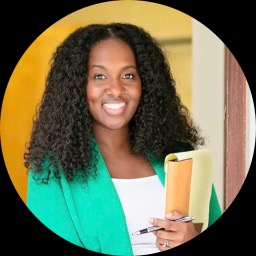
About Shonta
Shonta Harper is a licensed professional counselor who helps people handle relationship challenges, anxiety, depression, and major life changes. She practices in Georgia and draws on ten years of experience to guide clients toward clearer self-understanding and stronger coping skills. Her style is straightforward and compassionate.
She listens for patterns in relationships and personal habits, then helps people try concrete steps to change those patterns. Sessions focus on practical tools people can use between meetings to manage stress, sleep, and daily responsibilities.
Background and approach
Shonta pays attention to how identity, trauma, and social pressures shape feelings and behavior. She uses a trauma-informed, culturally responsive approach to make room for each person's background and values. That means exploring difficult memories carefully while also building skills for daily life.
People come to her for help with intimacy issues, self-esteem, career stress, addictions, grief, parenting strain, ADHD challenges, and coping with change. She also supports concerns such as communication problems, codependency, infidelity, and navigating gender dysphoria. Shonta combines emotional support with clear goal-setting.
She helps people set small, realistic steps and checks progress over time. The work is collaborative: clients set the pace and choose which goals matter most to them.
Evidence-based approaches and online care
Shonta uses evidence-based therapeutic techniques that focus on practical change. One common approach she uses helps people identify unhelpful thinking and try different behaviors to reduce anxiety and depression; it teaches simple skills to challenge worries and improve mood. Another approach centers on trauma-informed work that pays attention to how past hurts affect current relationships and coping, helping people build safety and stabilize emotion before tackling painful memories.Choosing the right approach is a collaborative process. The therapist will talk with each person about goals, preferences, and how things show up day to day. Together they try methods that fit the client and adjust the plan as progress is made.
Online therapy offers flexible ways to meet. Video calls let people talk face-to-face when a longer session is helpful. Phone sessions use less bandwidth and can fit during a break. Live chat or text-based messaging works for shorter check-ins, quick coaching, or when writing feels easier than speaking. These options make it simpler to keep therapy consistent around work, family, and travel.
Questions people ask
What kinds of concerns does this therapist help with?
How would you describe the therapeutic approach and style?
How much clinical experience does she have?
What credentials and location are listed for this therapist?
In what languages are sessions offered and can international clients connect?
Which session formats are available with this clinician?
How do costs and payment work for sessions?
What are the steps to begin working together?
What this counselor works with
Most often
- Relationship issues
- Family conflicts
- Intimacy-related issues
Also listed
- Addictions
- ADHD
- Aging and geriatric issues
- Anger management
- Career difficulties
- Caregiver issues and stress
- Coaching
- Codependency
- Communication problems
- Compassion fatigue
- Control issues
- Coping with life changes
- Depression
- Emptiness
- Family problems
- Forgiveness
- Gender dysphoria
- Grief
- Infidelity
- Jealousy
- LGBT
- Life purpose
- Parenting issues
- Self esteem
- Self-love
- Sleeping disorders
- Social anxiety and phobia
- Stress, Anxiety
- Trauma and abuse
- Veteran and Armed Forces Issues
- Women's issues
- Experience
- 10 years
- Licensed
- Georgia, Utah
- Languages
- English