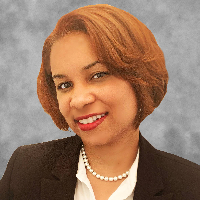
About Shawn
Dr. Shawn Hysten-Williams helps people who are overwhelmed by stress, relationship strain, grief, or big life changes. She uses clear, goal-focused work to help clients find practical steps forward.
She writes and talks plainly so parents and busy adults can follow along. Dr. Shawn holds a Doctor of Education and is a Licensed Professional Counselor (LPC) in Texas.
She favors short-term, action-oriented methods that break problems into manageable pieces. Cognitive Behavioral Therapy is part of her toolbox for changing unhelpful thoughts and behaviors.
Background and approach
She also draws on Solution-Focused techniques to set concrete goals and track progress session to session. Her background includes training in counseling education and more than a decade of clinical practice. That experience includes supporting people who have lived through trauma, abuse, or significant loss.
She combines teaching with therapy by offering psychoeducation to explain skills and make them usable day to day. In sessions she focuses on communication skills, coping strategies, and problem-solving. She works with issues such as anxiety, depression, addiction, family conflict, intimacy problems, and caregiver stress.
The work can include short planning exercises, homework between sessions, and guided conversations about values and goals. Sessions are offered in English and provided from Texas. People who prefer remote options can connect by video, phone, live chat, or text messaging.
This setup aims to make it easier to fit therapy into busy schedules.
How her approaches work online
Dr. Shawn commonly uses Cognitive Behavioral Therapy and Solution-Focused Therapy in online work. CBT helps people notice and change unhelpful thoughts and behaviors with practical exercises and short experiments. Solution-Focused work concentrates on small concrete goals and on what steps move life in a better direction, often creating quick, measurable progress.She treats the choice of approach as a joint question. Early sessions focus on understanding a person's needs, goals, and daily routines. Together the client and therapist pick techniques that match the problem and what the person prefers to try first, then adjust the plan as needed.
Online formats include video calls, phone sessions, live chat, and text-based messaging. Video sessions let the therapist and client use visual cues for communication and skills practice. Phone sessions can be easier when bandwidth is limited or for a shorter check-in. Live chat and text messaging allow brief updates, quick coaching, or continued work between sessions. These options aim to make therapy more flexible and easier to fit into work, family, and caregiving schedules.
Questions people ask
What concerns does this therapist address?
What is the therapy style like?
How much clinical experience does she have?
What credentials and location are listed?
Which languages are supported for sessions?
What session formats are available?
How are costs and subscriptions handled?
How do I begin the process?
What this counselor works with
Most often
- Stress, Anxiety
- Relationship issues
- Family conflicts
Also listed
- Addictions
- ADHD
- Aging and geriatric issues
- Anger management
- Antisocial personality
- Blended family issues
- Body image
- Career difficulties
- Caregiver issues and stress
- Coaching
- Commitment issues
- Communication problems
- Compassion fatigue
- Control issues
- Coping with life changes
- Depression
- Divorce and separation
- Eating disorders
- Emptiness
- Family of origin issues
- Family problems
- Forgiveness
- Grief
- Guilt and shame
- Infidelity
- Intimacy-related issues
- Jealousy
- LGBT
- Life purpose
- Midlife crisis
- Parenting issues
- Post-traumatic stress
- Self esteem
- Self-harm
- Self-love
- Sexuality
- Trauma and abuse
- Trichotillomania
- Women's issues
- Workplace issues
- Young adult issues
Therapeutic approaches
- Experience
- 12 years
- Licensed
- Texas
- Languages
- English