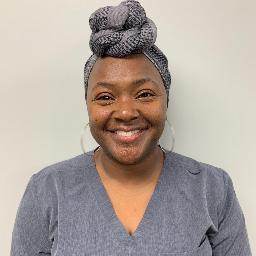
About Shaunta
Shaunta Gills-Roberson is a licensed professional counselor who helps people handle stress, anxiety, relationship strain, trauma, low self-esteem, and life transitions. She works in a direct, respectful way and focuses on what matters most to each person. Her style is warm and straightforward so parents can read quickly and get a sense of her approach.
Shaunta draws on practical methods to address day-to-day problems. She uses client-centered conversations to learn what a person values and wants to change.
Background and approach
Cognitive Behavioral Therapy tools are used to notice unhelpful thoughts and try new behaviors. Solution-focused strategies help set small goals and track progress. Her background includes more than a decade of professional work, with experience supporting people through grief, separation, codependency, and attachment concerns.
She also addresses caregiver stress, communication problems, impulsivity, and feelings of emptiness or isolation. Those issues often come up together, and she helps clients untangle them one step at a time. Sessions are built around the person in front of her, with a plan that changes as needs change.
Shaunta emphasizes respect, sensitivity, and compassion while keeping goals practical. She helps people make real shifts through short-term strategies and ongoing conversations. When someone starts therapy with Shaunta they can expect clear next steps, focused skill-building, and regular check-ins on progress.
She aims to make therapy understandable and usable in everyday life.
Approaches that guide online sessions
Client-Centered Therapy emphasizes listening and working from what matters most to the person. The therapist follows the client's lead, clarifies goals, and adjusts conversations to match values and needs. This approach helps with motivation, self-esteem, and relationship concerns.Cognitive Behavioral Therapy, or CBT, focuses on identifying unhelpful thoughts and testing small behavior changes. It offers concrete tools for managing anxiety, depression, and stress by practicing new ways of thinking and acting.
Finding the right approach is a collaborative process. The therapist will talk with the client about goals, try methods that fit those goals, and change course if something isn't working. Clients and the therapist decide together which strategies to keep and which to adapt.
Online sessions use video calls, phone sessions, live chat, or text-based messaging to fit different needs. Video is useful for in-depth conversations and building rapport. Phone sessions can be easier when bandwidth is limited or a longer commute isn't possible. Live chat and text are helpful for brief check-ins, fast problem-solving, or when typing feels more comfortable than talking. These options make it easier to get consistent support around work, family schedules, or other commitments.
Questions people ask
What kinds of problems does Shaunta address?
How would you describe her therapy style?
How long has she been practicing?
Where is she licensed and located?
Which languages are supported for sessions?
What session formats are available?
How does payment and cost work?
How do I begin therapy with her?
What this counselor works with
Most often
- Stress, Anxiety
- Relationship issues
- Trauma and abuse
Also listed
- Abandonment
- Attachment issues
- Caregiver issues and stress
- Codependency
- Commitment issues
- Communication problems
- Control issues
- Coping with life changes
- Depression
- Divorce and separation
- Emptiness
- Family problems
- Forgiveness
- Guilt and shame
- Impulsivity
- Infidelity
- Isolation / loneliness
- Jealousy
- Money and financial issues
- Mood disorders
- Multicultural concerns
- Post-traumatic stress
- Prejudice and discrimination
- Self esteem
- Self-love
- Social anxiety and phobia
- Women's issues
- Workplace issues
- Young adult issues
Therapeutic approaches
- Experience
- 14 years
- Licensed
- Oklahoma, Texas
- Languages
- English