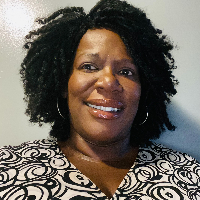
About Roxane
Roxane Johnson uses a client-centered approach that puts each person’s goals first. She combines that with focused techniques from cognitive behavioral therapy and solution-focused work to help people make practical changes. Roxane holds MD and LCPC credentials and brings 20 years of clinical experience in Maryland to her practice.
She has supported people facing depression, anxiety, and mood disorders. She helps those coping with trauma, post-traumatic stress, and adults recovering from childhood abuse.
Background and approach
Roxane also addresses addictions, bipolar concerns, and attention-related struggles like ADHD. Relationship and intimacy issues are part of her regular work. She assists people with grief, family problems, parenting strain, and challenges around attachment and abandonment.
Body image, eating and sleeping difficulties, and anger or impulsivity are also areas she addresses. Roxane uses short-term, practical strategies alongside deeper exploration of feelings. Sessions focus on what the person wants to change and concrete steps to get there.
She adapts the plan as progress is made and new needs appear. Her style is warm and interactive. Roxane aims to listen without judgment and to offer clear tools people can use between sessions.
She frames therapy as a partnership that supports lasting, manageable shifts.
How therapeutic approaches translate to online care
Client-Centered Therapy focuses on listening and reflecting what matters most to the person. This approach helps people clarify goals and feel understood, which can reduce stress and increase motivation for change. Cognitive Behavioral Therapy (CBT) breaks problems into thoughts, feelings, and behaviors and teaches concrete skills to shift patterns. CBT is often used for anxiety, depression, sleep problems, and mood regulation.Finding the right approach is part of the work. Roxane will collaborate with each person to decide which methods make the most sense for their needs and preferences. That team approach helps shape a plan that fits goals and life demands rather than forcing one method on everyone.
Online therapy offers several practical benefits. Video calls let therapists observe expressions and body language during deeper conversations. Phone sessions can be easier when bandwidth is limited or for shorter check-ins. Live chat and text-based messaging are useful for quick reflections, progress notes, or when someone prefers writing between scheduled sessions. These options provide flexibility to fit work, family, and travel while keeping a consistent course of care.
Questions people ask
What concerns does this therapist address?
What is her therapeutic style like?
How much clinical experience does she have?
What credentials and region are listed?
In which languages are sessions offered and can international clients connect?
What session formats are available?
How does pricing work?
How do I get started with therapy?
What this counselor works with
Most often
- Addictions
- Relationship issues
- Trauma and abuse
Also listed
- Abandonment
- ADHD
- Anger management
- Attachment issues
- Bipolar disorder
- Body image
- Career difficulties
- Compassion fatigue
- Control issues
- Coping with life changes
- Depression
- Disruptive Mood Dysregulation Disorder (DMDD)
- Dissociation
- Divorce and separation
- Drug and alcohol addiction
- Eating disorders
- Family conflicts
- Family of origin issues
- Family problems
- Grief
- Guilt and shame
- Impulsivity
- Intimacy-related issues
- LGBT
- Mood disorders
- Multicultural concerns
- Parenting issues
- Post-traumatic stress
- Prejudice and discrimination
- Self esteem
- Self-harm
- Self-love
- Sleeping disorders
- Stress, Anxiety
- Women's issues
Therapeutic approaches
- Experience
- 20 years
- Licensed
- Maryland
- Languages
- English