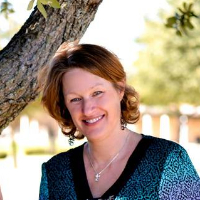
About Robin
Dr. Robin Beauregard helps people facing stress, anxiety, depression, addiction, relationship problems, trauma, and life transitions. She is a Licensed Professional Counselor (LPC) in Texas with over three decades of experience.
Her work also covers parenting concerns, grief, intimacy issues, self-esteem, and attention challenges like ADHD. Her style focuses on building a dependable working relationship first. She listens without judgment and helps clients set clear, realistic goals.
Together they map small steps and celebrate progress along the way.
Background and approach
Dr. Beauregard uses practical, evidence-informed approaches in sessions. She draws from cognitive behavioral ideas to identify unhelpful thoughts and behaviors.
Mindfulness and acceptance strategies help people respond differently to difficult feelings. She also uses motivational interviewing to support change and narrative techniques to help people reshape the stories they tell about themselves. Sessions often blend short-term problem solving with deeper work on patterns and family history.
Clients can expect straightforward guidance, homework when useful, and a focus on skills they can use outside sessions. Dr. Beauregard frames therapy as a collaborative process and adjusts methods to each person's goals and pace.
How therapy methods translate to online care
Acceptance and Commitment Therapy (ACT) encourages people to notice difficult thoughts and feelings without fighting them, then commit to actions that match their values; it can help with anxiety, depression, and life changes. Cognitive Behavioral Therapy (CBT) focuses on spotting unhelpful thoughts and testing them with new behaviors to reduce distress and improve daily functioning. Mindfulness Therapy teaches simple attention and breathing practices to reduce reactivity and increase calm during stressful moments.Finding the right approach is a team effort. The therapist will talk with each person about their goals, needs, and preferences and suggest approaches that fit. Over the first sessions they adjust methods so the work feels useful and doable for that person.
Online sessions are offered by video calls, phone, live chat, or text-based messaging to make care more flexible. Video allows face-to-face conversations when that helps. Phone sessions work well when bandwidth is limited or for shorter check-ins. Live chat and messaging can fit into busy schedules and allow written reflections between meetings. These options make it easier to keep momentum and practice new skills between sessions.
Questions people ask
What kinds of problems does this therapist help with?
What is her general approach in sessions?
How much clinical experience does she have?
Where is she licensed and based?
Which languages are used in sessions?
Can people outside the U.S. work with her?
What formats are available for sessions?
How are costs and scheduling handled?
What this counselor works with
Most often
- Stress, Anxiety
- Addictions
- Relationship issues
Also listed
- ADHD
- Adoption and foster care
- Anger management
- Bipolar disorder
- Blended family issues
- Career difficulties
- Coaching
- Codependency
- Communication problems
- Control issues
- Coping with life changes
- Depression
- Divorce and separation
- Drug and alcohol addiction
- Eating disorders
- Emptiness
- Family conflicts
- Family of origin issues
- Family problems
- Fatherhood issues
- Forgiveness
- Grief
- Guilt and shame
- Impulsivity
- Infidelity
- Intimacy-related issues
- Isolation / loneliness
- Life purpose
- Mood disorders
- Obsessions, compulsions, and OCD
- Panic disorder and panic attacks
- Parenting issues
- Post-traumatic stress
- Self esteem
- Sexual assault and abuse
- Social anxiety and phobia
- Trauma and abuse
- Veteran and Armed Forces Issues
- Women's issues
- Workplace issues
- Young adult issues
Therapeutic approaches
- Experience
- 34 years
- Licensed
- Texas
- Languages
- English