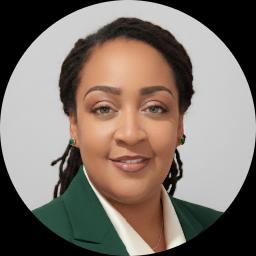
About Renatta
Dr. Renatta Lindsey greets visitors with a simple promise: you do not have to handle life’s hard moments alone. She helps people dealing with stress, anxiety, low self-esteem, depression, relationship strain, bipolar challenges, and major life transitions.
Her style blends practical tools with steady support to help people feel more capable day to day. Renatta keeps sessions collaborative and straightforward. She listens first, then helps people identify small, useful steps they can try between meetings.
Background and approach
She combines Client-Centered listening with cognitive-behavioral techniques and solution-focused planning to build coping skills and clearer thinking. Her work also addresses abandonment wounds, chronic illness and pain, family conflict, guilt and shame, loneliness, questions about life purpose, money stress, multicultural concerns, self-love, women's issues, workplace strain, and the struggles of young adulthood.
These topics are woven into a therapy plan tailored to each person’s goals. Dr. Lindsey holds the LPC credential, which she uses in her practice in Texas.
She has three years of clinical experience and brings a calm, direct approach to sessions. People who prefer practical steps and honest conversation tend to find her style helpful. Sessions focus on skill-building, clearer decision-making, and gradual change.
Renatta aims to help people notice progress in everyday life and develop tools they can use long after sessions end.
How therapeutic approaches work online
Client-Centered Therapy focuses on listening and understanding the person's experience. The therapist offers empathy and reflection to help people clarify feelings and priorities, which is useful when working through self-esteem, identity, or relationship questions.Cognitive Behavioral Therapy, or CBT, looks at patterns of thinking and behavior. It helps people test and change unhelpful thoughts and build practical coping skills for anxiety, depression, and mood instability.
Finding the right approach is part of the work together. The therapist will discuss goals, preferences, and what has or hasn't helped before, then try methods that fit those needs. This is a collaborative process and adjustments are made as progress is tracked.
Online sessions are offered by video calls, phone sessions, live chat, or text-based messaging to fit different schedules and needs. Video is useful for a fuller conversational session, phone can be easier when bandwidth is limited, and text or chat can work for shorter check-ins or moments when writing feels clearer. These options make it easier to attend sessions from varied locations and to match a format to the kind of work someone prefers.
Questions people ask
What concerns does this therapist address?
How would you describe the therapy style?
What is the therapist's background?
What credentials and location are listed?
Are sessions offered in other languages or internationally?
Which session formats are available?
How are costs and billing handled?
What steps are needed to begin therapy?
What this counselor works with
Most often
- Stress, Anxiety
- Relationship issues
- Self esteem
Also listed
Therapeutic approaches
- Experience
- 3 years
- Licensed
- Texas
- Languages
- English