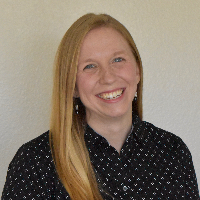
About Rachael
Rachael Hudson is a Licensed Professional Counselor from South Carolina who focuses on helping people manage anxiety, depression, relationship strain, parenting challenges, and addiction concerns. She brings ten years of counseling experience to sessions and aims to meet clients where they are. Her style is warm, interactive, and straightforward.
Rachael listens to what is happening now and what steps a person has already tried. She asks about patterns in current and past experiences to find useful connections.
Background and approach
From there she and the client brainstorm practical ways forward. Sessions include goal-driven planning and regular check-ins about progress. Rachael often uses Cognitive Behavioral techniques to identify unhelpful thinking and develop new skills.
She also draws on client-centered and attachment-based ideas to strengthen relationships and emotional understanding. Therapy can cover grief, trauma and abuse, sleeping problems, anger, career struggles, self-esteem, and coping with life changes. Rachael also supports people dealing with caregiver stress, chronic illness, codependency, isolation, and issues related to veterans and the armed forces.
Her work with couples involves focusing on emotion and connection while helping each person clarify what they want from the relationship. Rachael makes adjustments to the approach as needs change, and she reviews plans each session to keep work practical and goal-focused.
How Rachael’s Approaches Translate to Online Therapy
Rachael uses Cognitive Behavioral Therapy to help people identify unhelpful thoughts and try new behaviors. That approach is useful for anxiety, depression, sleep issues, and managing impulses. She also uses Attachment-Based and client-centered ideas to strengthen emotional connection and to help people feel understood while they sort relationship or caregiver concerns.Choosing the right approach is part of the work. Rachael discusses each person’s goals and preferences and adapts methods over time. She collaborates with clients to try techniques, review what helps, and adjust plans based on progress and needs.
Online sessions are offered by video calls, phone sessions, live chat, and text-based messaging to make counseling flexible. Video allows face-to-face conversation for deeper emotional work. Phone sessions use less bandwidth and can fit a break during a busy day. Live chat and text messaging are useful for brief check-ins, ongoing coaching, or when someone prefers writing to speaking. These options let people fit therapy into work, caregiving schedules, or other routines while working with licensed professionals.
Questions people ask
What concerns does she address?
What is her general therapy style?
What experience does she bring?
Where is she licensed and based?
Which languages are supported?
What session formats are available?
How are sessions priced?
How do I begin working with her?
What this counselor works with
Most often
- Stress, Anxiety
- Relationship issues
- Parenting issues
Also listed
- Abandonment
- Addictions
- Aging and geriatric issues
- Anger management
- Bipolar disorder
- Career difficulties
- Caregiver issues and stress
- Chronic pain, illness, and disability
- Coaching
- Codependency
- Communication problems
- Compassion fatigue
- Control issues
- Coping with life changes
- Depression
- Emptiness
- Family conflicts
- Family problems
- Grief
- Guilt and shame
- Impulsivity
- Intimacy-related issues
- Isolation / loneliness
- Jealousy
- Life purpose
- Panic disorder and panic attacks
- Self esteem
- Self-love
- Sleeping disorders
- Trauma and abuse
- Trichotillomania
- Veteran and Armed Forces Issues
- Women's issues
- Young adult issues
Therapeutic approaches
- Experience
- 10 years
- Licensed
- South Carolina
- Languages
- English