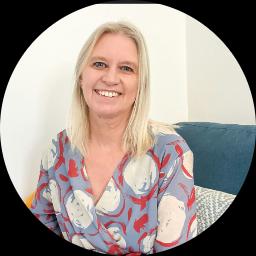
About Paula
Paula Green helps people who are dealing with stress, anxiety, family conflict, trauma and abuse, depression, and major life changes. She brings 20 years of experience to sessions and explains things in everyday language so families and individuals can understand the process. Paula is licensed as LCPC, LPCC and works with clients to create practical steps toward feeling better.
She draws on several approaches to match the needs of each person.
Background and approach
Paula uses client-centered work to listen closely and build trust. She also uses cognitive behavioral techniques to identify unhelpful thinking and shift behaviors. Mindfulness skills are introduced to help calm the body and focus attention.
Her background includes clinical and independent practice work and substantial experience supporting survivors of domestic violence and sexual assault. She has run trainings in child sexual abuse prevention and spent time counseling in outpatient and partial hospitalization settings. That mix of community and clinical roles guides how she plans care.
Paula typically helps people of different ages, including adults, teens, and children, using concrete tools and steady support. Sessions focus on small, manageable changes and practical problem solving. She invites clients to shape the work so the goals fit real life.
Clients can expect straightforward language, a calm pace, and an emphasis on skills they can use between sessions. Paula accepts international clients and provides services from New Mexico in English.
How Paula’s approaches work online
Client-centered therapy focuses on what the client brings to session and on building a respectful working relationship. In this style the therapist listens closely, reflects back what she hears, and helps people find their own solutions; it is useful for people who need understanding and steady support.Cognitive Behavioral Therapy, or CBT, looks at how thoughts, feelings, and actions connect. Sessions include simple exercises to spot unhelpful thoughts and try different responses, which can help with anxiety, depression, and stress.
EMDR, or Eye Movement Desensitization and Reprocessing, is used to reduce the impact of traumatic memories by pairing guided attention with processing techniques. It can be helpful for people dealing with trauma and abuse when memories continue to cause distress.
Choosing the right approach is a collaborative process. The therapist will talk with each person about goals, past experiences, and what feels manageable. Together they will try methods that fit the client’s needs and adjust the plan as progress is made.
Online sessions can be scheduled as video calls, phone sessions, live chat, or text-based messaging to fit different routines. Video is useful for a fuller session feel, phone works well when bandwidth is limited, and messaging supports quick check-ins or shorter coaching-style notes. These options make it easier to maintain regular contact, add flexibility around work or caregiving, and use tools between visits.
Questions people ask
What concerns does Paula specialize in?
What is her approach in sessions?
How much experience does she have?
What credentials and location are listed?
Are services offered in other languages or internationally?
Which session formats are available?
How is cost handled?
What are the first steps to begin work?
What this counselor works with
Most often
- Stress, Anxiety
- Family conflicts
- Trauma and abuse
Also listed
- Adoption and foster care
- Autism and Asperger Syndrome
- Blended family issues
- Body image
- Caregiver issues and stress
- Communication problems
- Coping with life changes
- Depression
- Disruptive Mood Dysregulation Disorder (DMDD)
- Dissociation
- Domestic violence
- Family of origin issues
- Family problems
- Forgiveness
- Guilt and shame
- Impulsivity
- Isolation / loneliness
- Jealousy
- Life purpose
- Midlife crisis
- Mood disorders
- Obsessions, compulsions, and OCD
- Panic disorder and panic attacks
- Personality disorders
- Post-traumatic stress
- Seasonal Affective Disorder (SAD)
- Self-harm
- Sexual assault and abuse
- Sexuality
- Social anxiety and phobia
- Somatization
- Trichotillomania
- Women's issues
- Workplace issues
- Young adult issues
Therapeutic approaches
- Experience
- 20 years
- Licensed
- Idaho, New Mexico
- Languages
- English