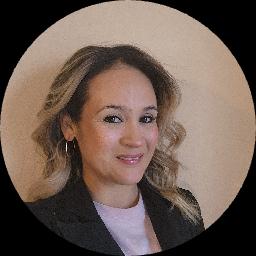
About Patricia
Patricia Hernandez is a licensed professional counselor who helps people facing stress, anxiety, trauma, grief, intimacy concerns, and low self-esteem. She speaks English and Spanish and provides care from Texas. Her approach is direct and compassionate, aimed at helping people take practical steps toward feeling better.
Patricia keeps conversations focused on what matters to each person. Sessions look at everyday patterns, coping skills, and ways to rebuild confidence after painful experiences.
Background and approach
She adapts the pace and topics to match a person’s needs rather than using a one-size-fits-all plan. She draws on five years of hands-on clinical work to guide decisions about next steps. That experience includes supporting people dealing with abandonment, body image, caregiver stress, and communication problems.
Patricia also works with concerns tied to divorce, domestic violence, immigration, and first responder or veteran issues. In sessions she helps people process grief, manage guilt or shame, and repair intimacy-related worries. Practical tools and conversational reflection are common in her meetings.
The goal is clearer thinking and better daily habits rather than abstract theory. All appointments are offered virtually, so people can connect from wherever they are in Texas. Patricia encourages small, steady changes and celebrates progress along the way.
If someone wants a calm, straightforward guide through a hard season, she aims to be that steady presence.
How evidence-based techniques translate online
Patricia uses evidence-based therapeutic techniques that focus on practical change and emotional processing. One common approach she uses works on building coping skills for anxiety and stress through clear, actionable steps that people can practice between sessions. This method helps with daily overwhelm and anxious thinking.Another common emphasis is trauma-informed care that helps people name what happened and reduce its impact on current life. This work often involves pacing the conversation, grounding exercises, and finding ways to feel more in control of reactions and relationships.
Choosing the right approach is a collaborative process. The therapist will discuss goals and preferences, try methods that suit those aims, and adjust as progress is made. Clients and the therapist decide together which techniques feel most helpful.
Online sessions by video, phone, live chat, or text-based messaging offer practical flexibility. Video calls allow face-to-face conversation and visual cues. Phone sessions can be useful when bandwidth is limited or when a person prefers not to be on camera. Live chat and text-based messaging are helpful for brief check-ins, faster turnarounds, and ongoing support between longer meetings. These options make it easier to fit therapy into work, caregiving, or other routines.
Questions people ask
What kinds of problems does this therapist address?
How would you describe the therapy style here?
What is the therapist's background and experience?
Where is this counselor licensed and located?
Are sessions available in languages other than English?
What formats are available for meeting with the therapist?
How are sessions paid for and what do they cost?
How do I begin working with this therapist?
What this counselor works with
Most often
Also listed
- Abandonment
- Body image
- Caregiver issues and stress
- Communication problems
- Coping with natural or human-caused disaster
- Divorce and separation
- Domestic violence
- First responder issues
- Forgiveness
- Guilt and shame
- Immigration issues
- Infidelity
- Intimacy-related issues
- Isolation / loneliness
- Life purpose
- Money and financial issues
- Panic disorder and panic attacks
- Post-traumatic stress
- Self esteem
- Self-love
- Social anxiety and phobia
- Veteran and Armed Forces Issues
- Women's issues
- Experience
- 5 years
- Licensed
- Texas
- Languages
- English, Spanish