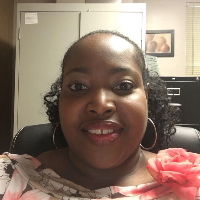
About Orienta
Orienta Eison is a licensed professional clinical counselor (LPCC) with 22 years of experience. She began her clinical path building a practice in Ohio and has spent decades guiding people through stress, anxiety, depression, and parenting challenges. Her work focuses on practical steps people can use each day.
Her style is straightforward and person-focused. She listens first and helps clients set small, clear goals. Many people come for help with attention concerns, overwhelming emotions, or relationship patterns that repeat at home.
Background and approach
Orienta blends talk-based care with skills practice. She uses cognitive behavioral techniques to spot unhelpful thoughts and create new habits. Mindfulness tools are used to reduce tension and anchor attention in the present.
She also leans on client-centered and solution-focused methods to keep sessions grounded and goal-oriented. Motivational interviewing is used when someone is deciding on change or needs help building commitment to a new routine. Her approach suits people who want practical tools and steady support.
Sessions are about real problems and real steps forward. The aim is clearer thinking, fewer crisis moments, and better coping at home and work.
How therapy methods translate to online care
Client-centered therapy focuses on listening and following the client’s lead. Online sessions give space for people to describe what matters most and set the pace for change. Cognitive Behavioral Therapy (CBT) targets thoughts and behaviors that cause distress and teaches concrete skills to shift them; CBT works well over video or phone because homework and skill practice can be reviewed between visits. Mindfulness Therapy offers simple attention and breathing practices that reduce reactivity and sharpen focus, and these exercises can be guided during a remote session or practiced between appointments.Choosing the right approach is a collaborative process. The therapist will talk with each person about goals, preferences, and what has or hasn’t worked before. Together they will try strategies that match the situation and adjust them over time based on what helps most.
Online therapy formats offer practical benefits. Video calls allow face-to-face interaction and visual cues while phone sessions use less bandwidth and can be easier during a busy day. Live chat and text-based messaging suit brief check-ins, homework review, or times when typing feels more comfortable than speaking. These options make it easier to fit care around work, school, and family life while keeping the focus on progress and usable skills.
Questions people ask
What concerns does she commonly help with?
What is her therapeutic style like?
How long has she practiced?
What credentials and location apply to her practice?
Which languages are offered for sessions?
Can people outside the United States work with her?
What session formats are available?
How does payment and scheduling work?
What this counselor works with
Most often
- Stress, Anxiety
- Family conflicts
- Parenting issues
Also listed
- Abandonment
- ADHD
- Attachment issues
- Blended family issues
- Body image
- Caregiver issues and stress
- Codependency
- Commitment issues
- Communication problems
- Control issues
- Depression
- Divorce and separation
- Family problems
- Fatherhood issues
- Forgiveness
- Guilt and shame
- Impulsivity
- Isolation / loneliness
- Mood disorders
- Multicultural concerns
- Panic disorder and panic attacks
- Post-traumatic stress
- Seasonal Affective Disorder (SAD)
- Self-love
- Sexual assault and abuse
- Social anxiety and phobia
- Women's issues
- Young adult issues
Therapeutic approaches
- Experience
- 22 years
- Licensed
- Ohio
- Languages
- English