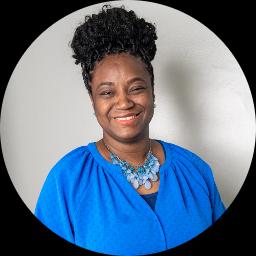
About Nekeisha
Nekeisha Hutchinson uses practical, evidence-based techniques to help people manage stress, addiction, and painful life events. She is a Licensed Professional Counselor (LPC) practicing in Connecticut. She aims to make the first step feel manageable and respects the courage it takes to reach out.
Nekeisha focuses on problems like anxiety, depression, grief, trauma and abuse, and issues around addiction. She also helps people facing relationship strains, communication problems, codependency, and major life transitions such as divorce or fertility challenges.
Background and approach
Her work includes addressing anger, bipolar symptoms, and compassion fatigue. In sessions she encourages open conversation and straightforward problem-solving. She listens for patterns that increase distress and works with each person to try new ways of coping.
Conversations tend to focus on practical steps and clear goals rather than jargon. Her background includes six years of professional experience in behavioral health settings. She draws on techniques shown to help with mood and substance concerns while tailoring the pace to each person.
Nekeisha emphasizes emotional safety and steady progress. People who come to her can expect collaborative planning and repeated check-ins about what is helping. She offers video calls, phone sessions, live chat, and text-based messaging to make ongoing support realistic for different schedules and needs.
Evidence-Based Techniques and Online Support
She draws on clear, evidence-based approaches that focus on practical change and symptom relief. One common approach she uses teaches concrete coping skills for managing anxiety, mood swings, and urges related to substance use; it helps people notice triggers and try new responses. Another strand of work centers on processing trauma and abuse by creating a steady pace for talking through hard memories and building safer ways to respond to stress.Finding the right approach is part of the work. She collaborates with each person to pick methods that match their needs, goals, and comfort level. Together they review what is helping and adjust strategies as needed so therapy stays useful and relevant.
Online formats include video calls, phone sessions, live chat, and text-based messaging to suit different routines. Video lets people read facial cues and have fuller conversation. Phone sessions can be easier when bandwidth or camera use is an issue. Chat and messaging are useful for brief check-ins, shorter reflections, or when scheduling limits longer sessions. These options aim to make regular support fit into busy lives.
Questions people ask
What concerns does she help with?
What is her therapeutic approach like?
How much clinical experience does she have?
What credentials and region does she represent?
Which languages are used during sessions?
What session formats are available?
How is cost handled for sessions?
How do I begin working with her?
What this counselor works with
Most often
- Stress, Anxiety
- Addictions
- Family conflicts
Also listed
- Abandonment
- Aging and geriatric issues
- Anger management
- Attachment issues
- Bipolar disorder
- Blended family issues
- Codependency
- Commitment issues
- Communication problems
- Compassion fatigue
- Depression
- Disruptive Mood Dysregulation Disorder (DMDD)
- Divorce and separation
- Domestic violence
- Drug and alcohol addiction
- Family problems
- Fertility issues
- Grief
- Guilt and shame
- Immigration issues
- Isolation / loneliness
- Jealousy
- Life purpose
- Mood disorders
- Postpartum depression
- Self-harm
- Self-love
- Sexual assault and abuse
- Social anxiety and phobia
- Trauma and abuse
- Experience
- 6 years
- Licensed
- Connecticut
- Languages
- English