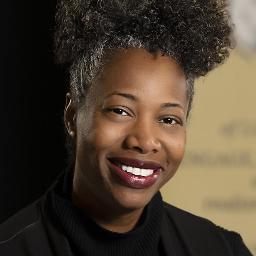
About Monique
Dr. Monique Thompson is a licensed professional counselor with 23 years of clinical experience. She practices in Texas and guides adults through stress, anxiety, depression, bipolar symptoms, relationship strain, and trauma.
Her style is straightforward and practical, aimed at helping people find workable steps they can use right away. She has spent thousands of hours helping adults recover from sexual trauma and addiction, and supporting couples after infidelity. She also provides general mental health counseling after hospital stays or when adults notice new symptoms.
Background and approach
Her work includes pre-surgery psychological evaluations and group therapy sessions. In sessions she asks direct, clarifying questions to get to what matters most. She uses goal-focused conversation and concrete exercises so people can try things between meetings.
Many clients appreciate her no-nonsense approach and timely responses during the week. Dr. Thompson draws on several therapy methods, choosing tools that fit each person's situation.
She uses techniques from cognitive behavioral therapy to challenge unhelpful thoughts, Acceptance and Commitment Therapy to clarify values, and the Gottman Method for relationship repair. Those methods are combined with a person-centered way of listening and working together. She authored a workbook for couples, Infidelity Recovery Workbook for Couples: Tools and Exercises to Rebuild Your Relationship, published in 2021.
People who contact her complete a short questionnaire and schedule sessions that match their needs.
How therapy methods translate to online care
Acceptance and Commitment Therapy (ACT) helps people clarify what matters to them and take small actions toward those values. It is useful for anxiety, depression, and decisions about life direction. Cognitive Behavioral Therapy (CBT) focuses on identifying unhelpful thoughts and testing new behaviors to reduce symptoms and improve daily functioning. The Gottman Method offers practical exercises and communication tools for couples working to rebuild trust after betrayal.Finding the right approach is part of the work together. The therapist will discuss goals, try methods that match those goals, and adjust the plan based on what helps. This collaborative process means techniques can change over time to fit the client's needs and preferences.
Online formats include video calls, phone sessions, live chat, and text-based messaging to make therapy more flexible. Video lets people work face-to-face when schedules or distance are an issue. Phone sessions can be shorter check-ins or a lower-bandwidth option. Messaging and live chat can fit brief check-ins, homework review, or support between scheduled appointments. These options help people fit therapy into busy days and different routines.
Questions people ask
What kinds of problems does she address?
How would you describe her therapy style?
How much clinical experience does she have?
What credentials and location are listed for this clinician?
Can I work with her if I live outside the United States?
What formats are available for sessions?
How are session costs handled?
How do I begin working with her?
What this counselor works with
Most often
- Stress, Anxiety
- Relationship issues
- Trauma and abuse
Also listed
- Abandonment
- Aging and geriatric issues
- Attachment issues
- Bipolar disorder
- Caregiver issues and stress
- Communication problems
- Control issues
- Coping with natural or human-caused disaster
- Depression
- Divorce and separation
- Family of origin issues
- Forgiveness
- Guilt and shame
- Infidelity
- Isolation / loneliness
- Life purpose
- Midlife crisis
- Money and financial issues
- Mood disorders
- Multicultural concerns
- Post-traumatic stress
- Prejudice and discrimination
- Self-love
- Sexual assault and abuse
- Social anxiety and phobia
- Women's issues
- Workplace issues
Therapeutic approaches
- Experience
- 23 years
- Licensed
- Texas
- Languages
- English