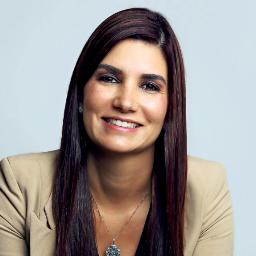
About Monica
Monica Alvarez welcomes people who feel overwhelmed by stress, anxiety, grief, or difficult life changes. She speaks English and Spanish and focuses on helping clients build practical skills and clearer goals. Monica emphasizes steady support and straightforward tools to help people move forward.
She approaches therapy with a belief that each person knows their story best. Monica draws on Client-Centered Therapy to listen closely and respect each person's pace. She also uses Cognitive Behavioral Therapy to notice unhelpful thoughts and try small behavior changes in day-to-day life.
Background and approach
Monica has twelve years of experience working with issues such as trauma and abuse, depression, parenting stress, and relationship concerns. She also addresses areas like caregiving strain, body image, attachment wounds, and complications from divorce or infidelity. Her practice includes attention to LGBT concerns and to people coping with career and life-purpose questions.
Sessions aim to be practical and goal-focused. Monica helps people set short-term steps and practice new skills between meetings. She uses mindfulness techniques to help with sleep, self-esteem, and calming anxiety.
Monica holds LCPC and LPCC credentials and works from Illinois. People can expect a calm, respectful approach that centers their goals while trying concrete strategies for change.
Approaches that guide online sessions
Monica blends listening-centered methods with structured skill work to help clients meet daily challenges. Client-Centered Therapy focuses on understanding each person's experience and building trust so they can explore what matters most. Cognitive Behavioral Therapy helps identify patterns of thinking that increase stress or depression and replaces them with more helpful actions and habits.Choosing the right approach is part of the work together. Monica will talk with each person about their goals, concerns, and preferences and then recommend which methods to try first. She checks in regularly and adjusts the plan based on what is working and what needs change, so the process stays collaborative.
Online sessions make therapy more flexible. Video calls let people use visual cues for deeper conversation, while phone sessions can be easier when bandwidth is limited or for a shorter check-in. Live chat and text-based messaging let clients check in between meetings, share quick updates, or get reminders about practicing skills. These options help fit therapy into busy days and different lifestyles while keeping the focus on practical steps and steady progress.
Questions people ask
What kinds of concerns does Monica help with?
How would you describe her therapy style?
What is her professional background?
Where is she licensed and based?
Which languages are offered in sessions?
Can I work with her from another country?
What session formats are available?
How do fees and scheduling work?
What this counselor works with
Most often
Also listed
- Abandonment
- Attachment issues
- Bipolar disorder
- Body image
- Career difficulties
- Caregiver issues and stress
- Codependency
- Compassion fatigue
- Coping with life changes
- Depression
- Divorce and separation
- Domestic violence
- Family conflicts
- Family of origin issues
- Family problems
- Forgiveness
- Immigration issues
- Infidelity
- LGBT
- Life purpose
- Midlife crisis
- Narcissism
- Parenting issues
- Post-traumatic stress
- Pregnancy and childbirth
- Relationship issues
- Self esteem
- Self-harm
- Self-love
- Sexual assault and abuse
- Sexuality
- Sleeping disorders
- Women's issues
- Young adult issues
Therapeutic approaches
- Experience
- 12 years
- Licensed
- Illinois, California
- Languages
- English, Spanish