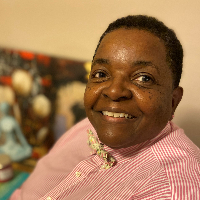
About Michelle
Michelle Taft Webb helps people manage stress, anxiety, depression, addictions, relationship pain, grief, and trauma. She also supports work-related strain, problems with sleep or anger, and questions about intimacy and self-worth. Michelle is a Licensed Professional Counselor - LPC and a Licensed Mental Health Counselor - LMHC with twelve years of practice experience in Texas.
She takes a practical, straightforward approach in sessions. Michelle uses clear tools people can try between meetings.
Background and approach
She listens for what matters most to each person and focuses on small changes that add up over time. Her work has included community mental health, inpatient and outpatient addiction settings, and a range of socioeconomic groups. That background shapes how she adapts methods for different needs and life situations.
She uses familiar, real-world examples rather than theory-heavy explanations. In a typical session Michelle helps clients set short-term goals and build concrete skills for coping. Conversations may include looking at unhelpful thoughts, practicing present-moment awareness, and talking through motivations for change.
Michelle tailors the pace and techniques to fit each person’s situation. People who choose her often want practical steps and honest feedback. Michelle will suggest strategies, track progress, and recommend referrals when a client’s needs go beyond her scope.
She welcomes international clients and conducts sessions in English.
Approaches that guide online sessions
Michelle commonly draws on Cognitive Behavioral Therapy and Mindfulness Therapy in online work. CBT looks at patterns of thinking and behavior and helps people test new ways of responding to stress, anxiety, depression, and relationship problems. Mindfulness Therapy teaches simple attention and breathing practices to reduce reactivity and improve sleep and emotional regulation.She also uses Motivational Interviewing to support people working through substance use and change-related goals. That method involves collaborative conversation to clarify motivations, weigh options, and build a clear plan for next steps.
Choosing an approach is a collaborative process. Michelle will talk with each person about goals, preferences, and past experiences to decide which methods to try first. Together they track progress and adjust techniques if something isn’t working.
Online formats include video calls, phone sessions, live chat, and text-based messaging. Video is useful for in-depth conversations and practicing skills together. Phone sessions can be easier when bandwidth is limited or when someone needs a shorter check-in. Live chat and messaging let people get support between calls and keep a progress thread over time. These options make therapy more flexible for work schedules, travel, and different comfort levels.
Questions people ask
What problems does she address?
How would you describe her therapy style?
What kind of clinical background does she have?
What credentials and location are listed?
Which languages and international options are available?
What session formats are offered?
How does payment and cost work?
How do I begin working with her?
What this counselor works with
Most often
Also listed
- Abandonment
- Anger management
- Career difficulties
- Caregiver issues and stress
- Communication problems
- Control issues
- Coping with life changes
- Depression
- Divorce and separation
- Domestic violence
- Drug and alcohol addiction
- Family conflicts
- Family of origin issues
- Family problems
- Forgiveness
- Grief
- HIV / AIDS
- Infidelity
- Intimacy-related issues
- LGBT
- Life purpose
- Men's issues
- Midlife crisis
- Money and financial issues
- Mood disorders
- Multicultural concerns
- Post-traumatic stress
- Prejudice and discrimination
- Relationship issues
- Self-love
- Sleeping disorders
- Trauma and abuse
- Veteran and Armed Forces Issues
- Women's issues
Therapeutic approaches
- Experience
- 12 years
- Licensed
- Texas, Washington
- Languages
- English