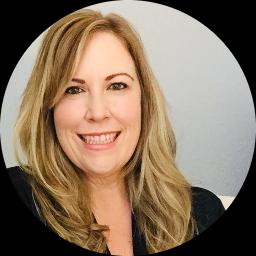
About Michelle
Dr. Michelle Tatum uses a practical, goal-focused approach to help people get through hard moments. She draws on Cognitive Behavioral Therapy to identify unhelpful thoughts and build skills for stress, anxiety, depression, and relationship strain.
Dr. Tatum holds LCPC and LPCC credentials and brings 18 years of clinical experience in Nevada and beyond. She works with people facing trauma and abuse, grief, addiction, bipolar symptoms, and challenges related to ADHD.
Background and approach
She also supports those coping with life changes like career shifts, caregiving demands, or separation. Everyday problems such as sleep trouble, anger, low self-esteem, and isolation are part of her practice. Sessions focus on clear steps and simple tools.
Conversations are tailored to each person’s situation so goals feel realistic and achievable. She helps people learn new ways of reacting to stress and rebuild healthier routines. Dr.
Tatum pays attention to cultural and life-stage factors that affect wellbeing. She can address multicultural concerns, veteran and armed forces issues, and caregiving stress alongside clinical symptoms. The goal is practical progress people can use between sessions.
Her style is straightforward and respectful. People leave sessions with concrete strategies for communication, coping, and managing mood. Small changes add up into lasting improvements over time.
How CBT and online sessions work together
Dr. Tatum uses Cognitive Behavioral Therapy to help people notice and change unhelpful thoughts and behaviors. CBT breaks problems into smaller steps, teaches practical coping skills, and helps with anxiety, depression, sleep issues, and relationship difficulties.Finding the right approach is a collaborative process. The therapist will talk with each person about goals, daily routines, and what feels most useful. Together they decide which strategies to try and adjust them over time so the work fits the client’s needs and preferences.
Online therapy offers several practical benefits. Video calls allow face-to-face conversation and screen-sharing for worksheets and skill practice. Phone sessions can be a good option when bandwidth is limited or a quick check-in is needed. Live chat and text-based messaging offer short, flexible touchpoints between sessions for coaching, reminders, and tracking progress. These options make it easier to fit therapy around work, caregiving, and other life demands while using CBT tools consistently.
Questions people ask
What concerns does Dr. Tatum commonly address
What is her general therapeutic style
How much clinical experience does she have
Where is Dr. Tatum licensed and located
Which languages are available for sessions
What session formats are offered
How are costs and billing handled
How do I begin working with her
What this counselor works with
Most often
- Stress, Anxiety
- Relationship issues
- Trauma and abuse
Also listed
- Abandonment
- Addictions
- ADHD
- Aging and geriatric issues
- Anger management
- Attachment issues
- Bipolar disorder
- Blended family issues
- Cancer
- Career difficulties
- Caregiver issues and stress
- Codependency
- Communication problems
- Compassion fatigue
- Coping with life changes
- Depression
- Divorce and separation
- Family conflicts
- Family problems
- Grief
- Guilt and shame
- Isolation / loneliness
- LGBT
- Life purpose
- Multicultural concerns
- Panic disorder and panic attacks
- Parenting issues
- Post-traumatic stress
- Postpartum depression
- Pregnancy and childbirth
- Seasonal Affective Disorder (SAD)
- Self esteem
- Sleeping disorders
- Somatization
- Veteran and Armed Forces Issues
- Workplace issues
- Young adult issues
Therapeutic approaches
- Experience
- 18 years
- Licensed
- New Mexico, Nevada
- Languages
- English