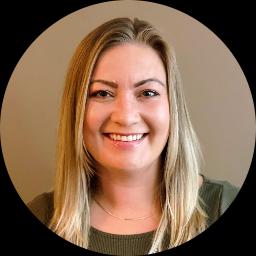
About Michelle
Michelle Lehto Flores is a Licensed Clinical Professional Counselor (LCPC) who helps people facing mood and substance concerns. She focuses on addictions, depression, bipolar symptoms, anger, and self-esteem struggles in a straightforward and respectful way. Her style is warm and nonjudgmental.
Sessions are collaborative and practical. She listens for strengths and builds step-by-step coping skills to reduce overwhelm and increase stability. Michelle uses evidence-based therapeutic techniques such as Cognitive Behavioral Therapy, solution-focused methods, and mindfulness practices to guide work.
Background and approach
Those approaches support clearer thinking, manageable goals, and tools to handle strong emotions or urges. Her background includes a master’s degree in Forensic Psychology from The Chicago School of Professional Psychology and nine years of clinical experience. That experience includes working with people during major life transitions and with histories of trauma and high stress.
In sessions she helps people clarify priorities, practice new skills, and make realistic plans for change. She pays attention to co-occurring issues like substance use, mood disorder symptoms, and relationship communication problems. The aim is steady progress you can measure.
Michelle offers online and phone formats to fit different schedules. She works in English and provides care to people in Illinois. To begin, clients follow the platform’s Start Therapy process and schedule a first session.
Practical approaches for online support and change
Michelle often uses Cognitive Behavioral Therapy, which helps people notice and change unhelpful thoughts and behaviors to reduce anxiety, low mood, or substance urges. It focuses on clear steps you can practice between sessions.She also draws on solution-focused techniques that narrow attention to small, achievable goals. These help when someone wants quick shifts in routine or clearer problem-solving during major life transitions.
Finding the right approach is a collaborative process. The therapist will talk about options, try methods that fit your goals, and adjust based on what helps you make steady progress. You and the therapist decide together what feels most useful.
Online therapy offers different ways to connect, including video calls, phone sessions, live chat, and text-based messaging. Video sessions are good for face-to-face conversation and teaching new skills. Phone sessions work well when bandwidth is limited or for shorter check-ins. Live chat and text messaging let people send brief updates, ask quick questions, or fit support into a busy day. These options make it easier to keep therapy consistent around work, caregiving, or other responsibilities.
Questions people ask
What concerns does Michelle focus on?
How would you describe her therapy style?
What is her clinical background?
Where is she licensed and located?
Which languages are supported?
What session formats are available?
How does the cost work?
How do I begin working with her?
What this counselor works with
Most often
- Addictions
- Anger management
- Self esteem
Also listed
- Bipolar disorder
- Blended family issues
- Co-morbidity
- Communication problems
- Depression
- Disruptive Mood Dysregulation Disorder (DMDD)
- Drug and alcohol addiction
- Family problems
- Forgiveness
- Guilt and shame
- Immigration issues
- Isolation / loneliness
- Life purpose
- Midlife crisis
- Money and financial issues
- Mood disorders
- Paranoia
- Personality disorders
- Post-traumatic stress
- Self-harm
- Self-love
- Women's issues
- Workplace issues
- Young adult issues
- Experience
- 9 years
- Licensed
- Illinois
- Languages
- English