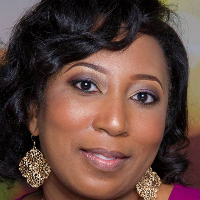
About Michella
Michella Rahming is a licensed professional counselor (LPC) who brings five years of experience to her work with adults. She focuses on practical support for people facing depression, anxiety, addiction recovery, relationship strain, career stress, and identity concerns. Sessions aim to be straightforward and respectful, with attention to each person’s lived experience.
She uses a client-centered foundation, which means conversations begin with the client's priorities and move at their pace.
Background and approach
Cognitive Behavioral Therapy helps people spot and change unhelpful thoughts and behaviors. Dialectical Behavior Therapy adds skills for emotion regulation and coping in intense moments. Michella also draws on mindfulness and narrative approaches to help people notice patterns and rewrite the stories that hold them back.
She has experience supporting clients through grief, trauma, and the long work of recovery from drug and alcohol addiction. She pays attention to multicultural concerns, prejudice, and the ways shame and guilt can affect growth. Her background includes a Bachelor of Science in Psychology from Florida A & M University and a Master’s degree in Counseling from Argosy University in Atlanta, Georgia.
She holds LPC credentials and practices with an emphasis on respect and empathy. Sessions are offered in English and are available through online formats such as video calls, phone, live chat, and text-based messaging. The goal is to help people build practical tools they can use between sessions.
Therapeutic approaches that translate to online care
Michella practices client-centered work that begins with your goals and priorities. In this approach the therapist listens closely and follows what matters most to you, helping you set the pace and focus for sessions. Cognitive Behavioral Therapy (CBT) is used to identify unhelpful thoughts and habits, and to develop practical strategies for change in day-to-day life. Dialectical Behavior Therapy (DBT) contributes concrete skills for managing intense emotions, improving distress tolerance, and handling relationship stress.Choosing the right approach is part of the process. She will work collaboratively with each person to decide which methods fit their needs and goals. That conversation may shift over time as challenges change and progress is made.
Online formats include video calls, phone sessions, live chat, and text-based messaging. Video lets you use visual cues and a fuller conversation. Phone sessions can be easier when bandwidth is limited or for a focused check-in. Live chat and text-based messaging offer brief check-ins and written reflections that can fit busy schedules. These options make it easier to access regular support and to practice skills between sessions.
Questions people ask
What kinds of concerns does she help with?
What is her therapeutic style like?
How much experience does she have?
What credentials and region apply to her practice?
Are sessions offered in languages other than English?
What session formats are available?
How does payment and cost work?
How do I begin working with her?
What this counselor works with
Most often
Also listed
- ADHD
- Anger management
- Career difficulties
- Compassion fatigue
- Coping with life changes
- Depression
- Drug and alcohol addiction
- Family conflicts
- Grief
- Guilt and shame
- LGBT
- Multicultural concerns
- Prejudice and discrimination
- Relationship issues
- Self esteem
- Self-love
- Sleeping disorders
- Stress, Anxiety
- Trauma and abuse
- Veteran and Armed Forces Issues
- Women's issues
- Young adult issues
Therapeutic approaches
- Experience
- 5 years
- Licensed
- Alabama, Georgia, Virginia
- Languages
- English