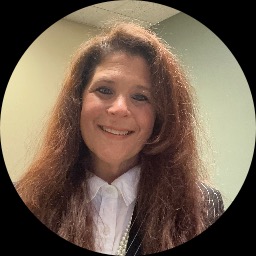
About Mary
Mary Roldan Balboa helps people facing stress, anxiety, low self-esteem, career uncertainty, depression, ADHD, and grief. She offers a calm, practical approach that focuses on small changes people can use right away. Mary speaks English and Spanish and brings twenty years of experience to her work in Wisconsin.
Mary likes to keep sessions straightforward. She listens first, then helps people decide what matters most to them. Conversations include concrete strategies for managing strong emotions, improving focus, and handling life transitions.
Background and approach
Her background includes work in hospitals, a crisis center, nursing homes, hospice, school settings, and independent practice. That variety shaped her ability to adapt techniques to different life stages and stressors. She also balances clinical work while pursuing doctoral studies in developmental psychology.
Mary uses approaches that emphasize the person’s own strengths and practical skills. She draws on client-centered methods, cognitive behavioral tools, mindfulness practices, motivational interviewing, and narrative techniques to help people reframe problems and try new behaviors. Sessions can include short skill-building exercises, goal-focused conversations, and reflective work to clarify values.
Many people appreciate the mix of purposeful tools and steady listening. To begin, clients complete a short matching questionnaire and schedule sessions according to therapist availability.
Approaches that translate well to online therapy
Client-centered therapy starts by putting the person's priorities front and center and using empathic listening to guide next steps; it helps when someone needs to sort out goals or make a tough decision. Cognitive behavioral therapy (CBT) focuses on identifying unhelpful thoughts and testing new behaviors; it works well for anxiety, mood shifts, and managing ADHD-related routines. Mindfulness therapy teaches simple attention and grounding skills that reduce reactivity and support steadier mood and focus.Finding the best approach is part of the work. The therapist will talk with each person about goals, preferences, and what has or hasn't helped before. Together they choose methods to try and adjust them based on what the client finds useful.
Online sessions make it easier to fit therapy into busy lives. Video calls allow face-to-face conversation when that feels important. Phone sessions can be a quick check-in or an option when bandwidth is limited. Live chat and text-based messaging suit short inquiries, written reflections, or when people prefer not to be on camera. These options offer flexibility for scheduling, quick follow-ups, and steady progress without long commutes.
Questions people ask
What concerns does Mary specialize in?
How would you describe her therapeutic style?
What experience does she bring to sessions?
What are her credentials and location?
Can sessions be held in other languages?
What session formats are available?
How does payment and cost work?
How do I get started working with her?
What this counselor works with
Most often
- Stress, Anxiety
- Self esteem
- Career difficulties
Also listed
- ADHD
- Aging and geriatric issues
- Caregiver issues and stress
- Communication problems
- Depression
- Family problems
- Forgiveness
- Grief
- Guilt and shame
- Impulsivity
- Isolation / loneliness
- Life purpose
- Midlife crisis
- Money and financial issues
- Multicultural concerns
- Panic disorder and panic attacks
- Postpartum depression
- Pregnancy and childbirth
- Seasonal Affective Disorder (SAD)
- Social anxiety and phobia
- Women's issues
- Young adult issues
Therapeutic approaches
- Experience
- 20 years
- Licensed
- Texas, Wisconsin
- Languages
- English, Spanish