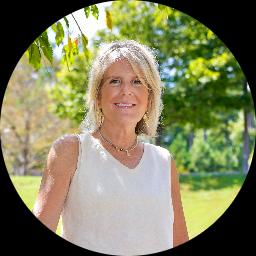
About Martha
Martha Fodroczi is a licensed professional counselor practicing in Georgia with ten years of experience. She focuses on helping people manage stress, anxiety, depression, and relationship difficulties. Martha aims to create a respectful and compassionate space for people to talk through what matters most to them.
She works with people who are trying to regain motivation, build self-esteem, and find clearer direction in life. Sessions are tailored to each person’s needs so conversations and goals stay practical and relevant.
Background and approach
Martha uses straightforward methods that people can apply between sessions. Martha draws on Cognitive Behavioral Therapy to help identify unhelpful thoughts and change patterns that keep problems going. She also integrates Mindfulness Therapy to teach skills for staying calm and focused in stressful moments.
These approaches are used to address mood disorders, panic, obsessive behaviors, and related concerns. Her additional focus areas include communication problems, substance use issues, forgiveness work, isolation and loneliness, life purpose questions, and young adult issues. She also supports people facing workplace stress, women’s issues, and challenges tied to disruptive mood patterns.
Martha emphasizes a collaborative process. People set the pace, and she helps craft a plan that fits their life. Taking the first step can feel hard, and she aims to offer steady, practical support along the way.
How CBT and Mindfulness fit into online care
CBT, or Cognitive Behavioral Therapy, looks at the links between thoughts, feelings, and actions. Online CBT sessions focus on noticing unhelpful thinking and trying small, practical changes to behavior. This can help with anxiety, low mood, panic, and repetitive thought patterns.Mindfulness Therapy teaches simple attention and breathing practices to reduce reactivity and improve focus. In online sessions this often means learning brief exercises you can use during stressful moments or before difficult conversations to stay calmer and clearer.
Finding the right approach is a collaborative process. The therapist will talk with each person about their goals, symptoms, and daily life. Together they decide what to try first and adjust methods as progress is made.
Online therapy offers flexible ways to connect. Video calls let people work face-to-face when helpful. Phone sessions use less bandwidth and can fit into a break at work. Live chat or text-based messaging are useful for brief check-ins, notes between sessions, or for people who prefer writing over speaking. These options make it easier to keep therapy consistent around a busy life.
Questions people ask
What concerns does Martha commonly address?
What is her therapeutic style like?
How much clinical experience does she have?
What credentials and location are listed for this clinician?
Which languages are supported for sessions?
What session formats are available?
How are sessions priced?
How do I begin working with her?
What this counselor works with
Most often
- Stress, Anxiety
- Relationship issues
- Self esteem
Also listed
- Communication problems
- Coping with life changes
- Depression
- Disruptive Mood Dysregulation Disorder (DMDD)
- Drug and alcohol addiction
- Forgiveness
- Isolation / loneliness
- Life purpose
- Mood disorders
- Obsessions, compulsions, and OCD
- Panic disorder and panic attacks
- Self-harm
- Social anxiety and phobia
- Women's issues
- Workplace issues
- Young adult issues
Therapeutic approaches
- Experience
- 10 years
- Licensed
- Georgia
- Languages
- English