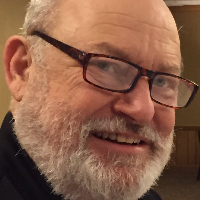
About Mark
Mark Wagemaker is a Licensed Professional Counselor who helps people who want real change. He speaks plainly and focuses on practical steps so clients can move toward a more fulfilling life. He welcomes people motivated by inner drive or outside encouragement to begin the work of change.
He has 18 years of experience helping people who are struggling with trauma, anxiety, depression, and stress. Mark often works with clients who carry the effects of adverse childhood events and post-traumatic stress.
Background and approach
He also addresses issues like addiction, grief, intimacy concerns, sleep problems, and career or life-purpose questions. In sessions he uses a mix of approaches to match what a person needs. That can include hypnotherapy, mindfulness practices, emotionally-focused methods, and client-centered conversation.
He emphasizes clear tools that people can use between sessions to feel steadier and more able to cope. Mark’s background includes many years of clinical practice and life experience shaped by his values. He has worked with first responders, veterans, and people facing end-of-life situations, and brings that perspective into his counseling.
He describes his approach as collaborative - helping each person find their own path forward. People who connect with Mark usually want focused, practical help for symptoms that interfere with daily life. He offers straightforward guidance, listening, and techniques aimed at reducing distress and building better day-to-day functioning.
How these approaches work online
Mark commonly uses Client-Centered Therapy, Emotionally-Focused Therapy, and hypnotherapy in his online practice. Client-Centered Therapy focuses on open listening and helping a person find their own answers, which is useful for stress, self-esteem, and life direction. Emotionally-Focused Therapy helps people identify and work through strong emotions that interfere with relationships and intimacy. Hypnotherapy uses guided relaxation and focused attention to address trauma-related symptoms, sleep problems, and habits that someone wants to change.Choosing the right approach is part of the work. He will talk with each person about goals and preferences and try methods that fit their needs. That makes therapy a collaborative process where adjustments are expected as treatment progresses.
Online sessions are offered by video calls, phone sessions, live chat, or text-based messaging to give practical flexibility. Video is useful when visual connection helps the conversation. Phone sessions can be simpler when bandwidth is limited or a shorter check-in is needed. Live chat and messaging let someone write through thoughts between calls or fit therapy into a busy schedule. These options help people access care from different places and at convenient times.
Questions people ask
What concerns does he help with?
What is his general therapy style?
How much experience does he have?
What credentials and region are associated with this therapist?
Which languages are supported and can international clients join?
What session formats are available?
How is cost handled?
How do I begin working with him?
What this counselor works with
Most often
- Stress, Anxiety
- Relationship issues
- Trauma and abuse
Also listed
- Addictions
- Anger management
- Career difficulties
- Coaching
- Compassion fatigue
- Coping with life changes
- Depression
- First responder issues
- Grief
- Hospice and end-of-life counseling
- Intimacy-related issues
- LGBT
- Life purpose
- Mood disorders
- Parenting issues
- Post-traumatic stress
- Self esteem
- Sexuality
- Sleeping disorders
- Social anxiety and phobia
- Veteran and Armed Forces Issues
Therapeutic approaches
- Experience
- 18 years
- Licensed
- Georgia
- Languages
- English