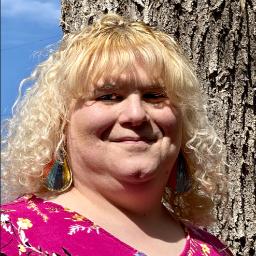
About Liz
Liz Smith is a compassionate, client-centered therapist who helps people facing stress, anxiety, addiction, trauma, grief, relationship and intimacy concerns, and issues around eating and sleep. She brings ten years of experience and listens without judgment while helping clients find practical steps forward. She holds LMHC and LCPC credentials and works in Florida.
In sessions she focuses on what matters most to the person in front of her. She starts by listening to the story and priorities, then works with each person to set clear, manageable goals.
Background and approach
Conversations emphasize real-world coping skills for anger, low self-esteem, mood shifts, and ADHD-related struggles. Her approach adapts to the situation. She draws on client-centered methods to build trust, uses cognitive behavioral tools to change unhelpful thinking, and incorporates DBT skills for emotion regulation.
EMDR and mindfulness techniques are available when trauma or persistent distress are part of the picture. Liz also addresses life transitions and career strain, compassion fatigue, and complex issues such as abandonment or codependency. She supports people navigating blended family challenges, chronic illness, or substance use concerns by combining practical strategies with steady therapeutic support.
Sessions may include short coaching-style check-ins or deeper processing work depending on needs. She offers work in English and Spanish and provides video calls, phone sessions, live chat, and text-based messaging to fit different schedules.
How therapeutic approaches work online
Client-centered therapy focuses on the person's own goals and experiences. The therapist listens carefully, follows your lead, and helps you make decisions that match your values. Cognitive Behavioral Therapy (CBT) looks at how thoughts, feelings, and behaviors connect and teaches practical steps to change unhelpful patterns, which is useful for anxiety, depression, and stress. Dialectical Behavior Therapy (DBT) teaches emotion regulation and distress tolerance skills to help manage intense feelings and improve communication.Finding the right approach is part of the work together. The therapist will discuss needs, goals, and preferences and suggest which methods to try first. This is a collaborative process that may combine approaches over time based on what helps you make steady progress.
Online therapy options include video calls, phone sessions, live chat, and text-based messaging. Video calls allow for face-to-face conversation and visual cues. Phone sessions can fit a break at work or be easier when bandwidth is limited. Live chat and text messaging work well for brief check-ins, coaching-style support, or when someone prefers writing to speaking. These formats aim to make therapy more flexible and easier to fit into daily life.
Questions people ask
What concerns does she help with?
How would you describe her therapy style?
What experience does she bring?
What are her credentials and where is she located?
Does she offer sessions in other languages or internationally?
What session formats are available?
How are costs handled?
How do I start working with her?
What this counselor works with
Most often
Also listed
- Abandonment
- ADHD
- Anger management
- Attachment issues
- Bipolar disorder
- Blended family issues
- Body image
- Career difficulties
- Chronic pain, illness, and disability
- Co-morbidity
- Coaching
- Codependency
- Communication problems
- Compassion fatigue
- Control issues
- Coping with life changes
- Dependent personality
- Depression
- Divorce and separation
- Domestic violence
- Drug and alcohol addiction
- Eating and food-related issues
- Eating disorders
- Emptiness
- Forgiveness
- Gender dysphoria
- Grief
- Guilt and shame
- Impulsivity
- Intimacy-related issues
- Life purpose
- Money and financial issues
- Mood disorders
- Multicultural concerns
- Panic disorder and panic attacks
- Personality disorders
- Polyamory / non-monogamous relationships
- Post-traumatic stress
- Prejudice and discrimination
- Process addiction (porn, exercise, gambling)
- Relationship issues
- Seasonal Affective Disorder (SAD)
- Self esteem
- Self-harm
- Self-love
- Sexual assault and abuse
- Sexuality
- Sleeping disorders
- Trauma and abuse
- Veteran and Armed Forces Issues
- Workplace issues
Therapeutic approaches
- Experience
- 10 years
- Licensed
- Montana, Utah, Florida
- Languages
- English, Spanish