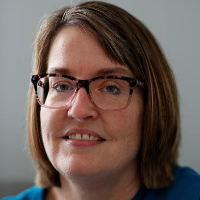
About Laura
Laura Nagy offers a straightforward, client-centered approach to therapy. She draws on three decades of experience as a Licensed Professional Counselor in Michigan to help people sort through stress, anxiety, depression, relationship strain, grief, and other concerns. She focuses on practical steps clients can take between sessions to keep moving forward.
Her sessions emphasize the client’s goals and strengths. She uses a mix of client-centered conversation and solution-focused strategies to help people identify realistic next steps.
Background and approach
Cognitive behavioral ideas are used when thoughts and behaviors are getting in the way of progress. Laura has worked in the mental health field since 1995 and brings that long-term perspective to current problems. Her background includes crisis counseling and work with trauma, mood concerns, addiction issues, and life transitions.
She aims to help clients build on what’s already working in their lives. Her style is practical and collaborative. She often suggests small assignments between sessions so progress continues outside the session.
She also helps people connect with natural supports in their lives to reinforce change. Clients can expect clear goals, steady encouragement, and a focus on usable tools. Laura aims to empower people to make measurable changes and to feel more grounded as they navigate life’s challenges.
How Laura's Approaches Work Online
Client-Centered Therapy starts with the client's own goals and priorities. The therapist listens closely and follows what matters most to the person, helping them notice strengths and choose the next steps. Cognitive Behavioral Therapy looks at how thoughts and behaviors contribute to problems and teaches practical exercises to change those patterns, useful for anxiety, depression, and stress.Choosing the right approach is a shared process. The therapist will work collaboratively to see which methods match the client's needs, goals, and preferences. That planning can change over time as progress is made or new issues come up.
Online sessions are offered by video calls, phone sessions, live chat, or text-based messaging to make therapy more flexible. Video is good for in-depth conversation and face-to-face connection. Phone sessions can fit into a work break or require less bandwidth. Live chat and text messaging are useful for brief check-ins, tracking progress, or when writing helps organize thoughts. These options help people fit therapy into busy lives and keep momentum between appointments.
Questions people ask
What issues does Laura focus on?
How would you describe her therapy style?
What is her professional background?
Where is she licensed and based?
Which languages are supported for sessions?
Can international clients work with her?
What session formats are available?
How does cost and scheduling work?
What this counselor works with
Most often
- Stress, Anxiety
- Relationship issues
- Grief
Also listed
- Abandonment
- Addictions
- ADHD
- Anger management
- Bipolar disorder
- Blended family issues
- Career difficulties
- Caregiver issues and stress
- Commitment issues
- Communication problems
- Coping with life changes
- Depression
- Divorce and separation
- Eating disorders
- Emptiness
- Family conflicts
- Family of origin issues
- Family problems
- First responder issues
- Forgiveness
- Guilt and shame
- Intimacy-related issues
- Isolation / loneliness
- Life purpose
- Midlife crisis
- Mood disorders
- Obsessions, compulsions, and OCD
- Parenting issues
- Post-traumatic stress
- Postpartum depression
- Seasonal Affective Disorder (SAD)
- Self esteem
- Self-harm
- Sleeping disorders
- Social anxiety and phobia
- Trauma and abuse
- Women's issues
- Workplace issues
- Young adult issues
Therapeutic approaches
- Experience
- 30 years
- Licensed
- Michigan
- Languages
- English