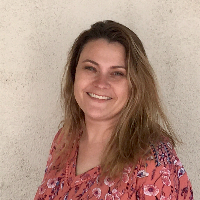
About Laura
Laura Hazard is a Licensed Professional Counselor who helps people when life feels overwhelming. She uses clear, practical steps to break big problems into bite-sized pieces. Her style is approachable and down-to-earth.
She aims to make it easier to talk about change and find steady ways forward. With six years as an LPC and a longer background in behavior work, she focuses on common, disruptive problems like anxiety, depression, bipolar mood concerns, and trouble sleeping.
Background and approach
She also helps with relationship strain, grief, addiction, compassion fatigue, and coping with major life changes. Conversations center on what is most urgent for the client right now. Therapy sessions draw on client-centered methods to prioritize each person’s perspective and goals.
Cognitive behavioral ideas are used to notice patterns of thought and behavior and to test small changes that can improve day-to-day functioning. Mindfulness skills are offered to help calm stress and increase present-moment focus. Her approach is practical and collaborative.
She helps people identify strengths, set manageable steps, and practice new skills between sessions. Progress is measured in real-world changes rather than labels. Laura practices in Arizona and offers sessions in English.
She works with people facing many concerns, including relationship and intimacy issues, family problems, career stress, and trauma or abuse. People can expect a steady, problem-focused approach aimed at reducing overwhelm and building usable coping tools.
How client-centered and cognitive approaches work online
Client-centered therapy focuses on the person’s experience and goals, and it starts by listening closely to what matters most. Online sessions use that same listening-first stance to help clients name priorities and decide what they want to change. Cognitive Behavioral Therapy (CBT) identifies unhelpful thoughts and patterns and tests small behavioral changes to reduce symptoms like anxiety, low mood, or sleep disruption. In video or phone sessions, CBT tools are taught and practiced together. Mindfulness therapy teaches simple attention and breathing skills to lower stress and improve focus; these exercises translate well to brief check-ins, chat prompts, or guided practice during a live call.Finding the right approach is part of the work. The therapist will collaborate with each person to choose methods that fit their goals, preferences, and day-to-day life. Plans are adjusted over time based on what helps most, so clients play an active role in shaping therapy.
Online formats offer flexible ways to connect. Video calls work well for deeper conversations and skill demonstrations. Phone sessions may be easier when data or bandwidth are limited. Live chat or text-based messaging can support quick check-ins, brief coaching, or ongoing encouragement between sessions. These options make it simpler to fit therapy into busy schedules and to practice skills in real situations.
Questions people ask
What kinds of concerns does this therapist address?
What is the therapeutic style like?
How much clinical experience does the therapist have?
Where is the therapist licensed and located?
Which languages are supported and are international clients accepted?
What session formats are available?
How is cost handled for sessions?
How do I begin working with this therapist?
What this counselor works with
Most often
- Stress, Anxiety
- Relationship issues
- Grief
Also listed
- Addictions
- Aging and geriatric issues
- Anger management
- Antisocial personality
- Avoidant personality
- BDSM, kink, and alternative sex culture
- Bipolar disorder
- Blended family issues
- Career difficulties
- Caregiver issues and stress
- Codependency
- Commitment issues
- Communication problems
- Compassion fatigue
- Control issues
- Coping with life changes
- Coping with natural or human-caused disaster
- Dependent personality
- Depression
- Divorce and separation
- Emptiness
- Family conflicts
- Family problems
- First responder issues
- Impulsivity
- Infidelity
- Intimacy-related issues
- Isolation / loneliness
- Jealousy
- Life purpose
- Men's issues
- Midlife crisis
- Money and financial issues
- Mood disorders
- Multicultural concerns
- Personality disorders
- Post-traumatic stress
- Process addiction (porn, exercise, gambling)
- Seasonal Affective Disorder (SAD)
- Self esteem
- Self-love
- Sex addiction
- Sexual dysfunction
- Sexuality
- Sleeping disorders
- Social anxiety and phobia
- Somatization
- Trauma and abuse
- Women's issues
- Workplace issues
Therapeutic approaches
- Experience
- 6 years
- Licensed
- Missouri, Arizona
- Languages
- English