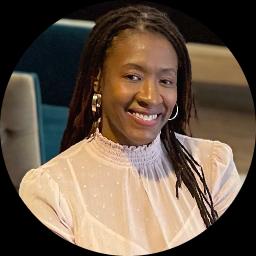
About Latosha
Latosha Kessell is a licensed professional counselor who helps people facing stress, anxiety, relationship strain, trauma, grief, and depression. She speaks plainly and focuses on practical steps people can use day to day. Her style emphasizes listening, building on strengths, and working toward clearer goals.
With 11 years of experience, Latosha blends several approaches to match what a person needs. She uses cognitive behavioral techniques to spot unhelpful thoughts and change patterns.
Background and approach
She incorporates mindfulness and Acceptance and Commitment Therapy ideas to help people notice feelings and take values-based action. She also draws on skills from Dialectical Behavior Therapy to teach distress tolerance and emotional regulation. For those affected by traumatic memories, Eye Movement Desensitization and Reprocessing can be offered as a structured way to reduce overwhelming reactions.
The Gottman Method is used for people who want concrete tools to navigate communication and repair in close relationships. Latosha emphasizes a collaborative process where the client’s experience guides the work. Sessions focus on clear strategies, skill practice, and small steps that fit daily life.
She aims to make therapy manageable and relevant, not overwhelming or abstract. Based in Texas and licensed as an LPC, she supports people from diverse backgrounds and addresses concerns like chronic pain, postpartum depression, grief, and issues around purpose and self-worth. Latosha encourages someone unsure about therapy to try a conversation and see what feels helpful.
How Latosha Uses Therapy Methods Online
Acceptance and Commitment Therapy (ACT) helps people notice difficult thoughts and feelings without getting stuck in them, then choose actions that fit their values. Cognitive Behavioral Therapy (CBT) focuses on identifying unhelpful thinking patterns and practicing concrete skills to change behavior and mood. Eye Movement Desensitization and Reprocessing (EMDR) provides a structured way to reduce the intensity of traumatic memories for people who find memories triggering.Finding the right approach is part of the work. The therapist will talk with the client about goals, symptoms, and what feels useful, then suggest techniques to try. That collaborative process means methods can be adjusted over time as needs and preferences become clearer.
Online sessions can take place by video call, phone, live chat, or text-based messaging, giving flexibility for different routines. Video calls let people use face-to-face interaction and shared worksheets, phone sessions can be easier when bandwidth is limited, live chat supports shorter check-ins during a break, and messaging lets someone reflect in writing between appointments. These options make it simpler to fit therapy into a busy life while using the approaches above to move toward clearer goals.
Questions people ask
What kinds of problems does she help with?
What is her therapy style like?
How much experience does she have?
Where is she licensed and based?
Which languages are sessions offered in?
What formats are available for sessions?
How much do sessions cost?
How do I begin working with her?
What this counselor works with
Most often
- Stress, Anxiety
- Relationship issues
- Trauma and abuse
Also listed
Therapeutic approaches
- Experience
- 11 years
- Licensed
- Texas, Colorado
- Languages
- English