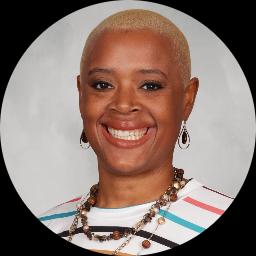
About LaTonyia
LaTonyia Fleming is a Licensed Professional Counselor who helps people manage stress, anxiety, relationship strain, low self-esteem, and life transitions. She speaks plainly and focuses on practical steps that make daily life feel more manageable. Parents and adults often come to her for relief from depression, feeling stuck, or for help after separation or big changes.
LaTonyia uses approaches that help people notice what matters to them and build skills that match their goals.
Background and approach
She blends Acceptance and Commitment Therapy with cognitive techniques to change unhelpful patterns. Attachment-based ideas guide work on closeness, trust, and communication concerns. Sessions aim to be collaborative and down-to-earth.
Clients can expect to talk through real problems, practice new ways of responding, and set small, achievable goals. The tone is supportive and focused on building confidence and useful coping tools. Over six years of practice in Texas have shaped her style into one that balances empathy with practical planning.
She helps people facing body image issues, codependency, eating-related struggles, and feelings of emptiness or isolation. Financial stress, midlife questions, and work-life balance are also common topics. LaTonyia tailors each plan to the person in front of her.
She works on communication problems, forgiveness, guilt and shame, and impulsivity with steady guidance and simple exercises. The work is aimed at steady progress rather than quick fixes.
Practical approaches for online counseling
LaTonyia commonly uses Acceptance and Commitment Therapy and Attachment-Based Therapy in her online work. Acceptance and Commitment Therapy (ACT) helps people identify what matters most to them, accept difficult feelings, and take actions that match their values. It can be useful for anxiety, depression, and moments of life transition. Attachment-Based Therapy focuses on patterns of connection and trust in relationships and helps with communication problems, codependency, and feeling emotionally distant.Choosing the right approach is a team effort. She will ask about your goals, preferences, and what has or hasn’t helped before. Together you’ll try methods that fit your situation and adjust as you go, so therapy stays useful and relevant.
Online formats include video calls, phone sessions, live chat, and text-based messaging. Video calls let you have a more face-to-face conversation when that feels helpful. Phone sessions use less bandwidth and can be easier during a short break. Live chat or texting work well for quick check-ins, note-taking between sessions, or when writing out thoughts helps you reflect. These options make it easier to fit therapy into a busy life and keep progress moving forward.
Questions people ask
What concerns does this therapist address?
What is her general therapy style?
How much experience does she have?
What credentials and region are listed?
Which languages are supported and can international clients connect?
What session formats are available?
How does payment and cost work?
How do I begin therapy with her?
What this counselor works with
Most often
- Stress, Anxiety
- Relationship issues
- Self esteem
Also listed
- Attachment issues
- Body image
- Codependency
- Communication problems
- Coping with life changes
- Depression
- Divorce and separation
- Eating and food-related issues
- Emptiness
- Family problems
- Forgiveness
- Guilt and shame
- Impulsivity
- Isolation / loneliness
- Life purpose
- Midlife crisis
- Money and financial issues
- Panic disorder and panic attacks
- Post-traumatic stress
- Prejudice and discrimination
- Self-harm
- Self-love
- Sexuality
- Social anxiety and phobia
- Women's issues
- Workplace issues
Therapeutic approaches
- Experience
- 6 years
- Licensed
- Texas
- Languages
- English