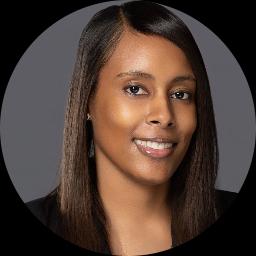
About LaShaunda
Dr. LaShaunda Smith uses a practical, goal-focused approach to help people cope with stress, anxiety, and big life changes. She is a Licensed Professional Counselor (LPC) in Mississippi with eight years of experience.
Her style is direct and collaborative, aimed at helping people make clear steps forward. She often draws on Cognitive Behavioral Therapy to identify unhelpful thoughts and patterns and replace them with more workable habits. She also uses Internal Family Systems to help people understand different inner parts that influence feelings and behavior.
Background and approach
These approaches are adapted to each person's needs and concerns. Dr. Smith works with a wide range of issues, including relationship and family problems, grief, trauma and abuse, eating concerns, parenting stress, anger, self-esteem, and career questions.
She also supports people facing ADHD, bipolar challenges, compassion fatigue, and identity-related stress such as LGBT and multicultural concerns. Her experience includes helping with adoption and foster care issues, blended family dynamics, divorce and separation, and family-of-origin conflicts. She helps people dealing with abandonment, jealousy, forgiveness, and questions about life purpose and self-love.
Her sessions emphasize clear goals, practical strategies, and steady support. She encourages clients to use their existing strengths while learning new ways to cope. Taking the first step can be hard, and she aims to make that step feel understandable and manageable.
How CBT and IFS work online
Dr. Smith commonly uses Cognitive Behavioral Therapy to help people spot unhelpful thoughts and try new behaviors. CBT sessions often include short exercises, thought records, and homework to practice between meetings, which translate well to video or messaging formats. Internal Family Systems helps people notice different inner parts and how they interact, using guided dialogue and reflection to reduce inner conflict and increase self-leadership.Choosing the right approach is part of the work together. The therapist will discuss goals, preferences, and what feels most useful, then adapt methods to fit each person's situation. This is a collaborative process where adjustments are made as progress is tracked.
Online formats offer practical benefits for this style of work. Video calls allow face-to-face conversation and visual cues for exercises and guided reflections. Phone sessions can be a good option when bandwidth or visual focus is limited. Live chat and text-based messaging work well for brief check-ins, ongoing coaching, or sharing worksheets and reflections between sessions. These options make it easier to schedule therapy around work, school, or caregiving commitments and to keep momentum between appointments.
Questions people ask
What concerns does this therapist address?
What is the therapist's general approach in sessions?
How much clinical experience does she have?
What credentials and location are listed for this clinician?
Are sessions offered in other languages or internationally?
What session formats are available?
How is cost handled for sessions?
How do I begin if I want to work with her?
What this counselor works with
Most often
- Stress, Anxiety
- Relationship issues
- Family conflicts
Also listed
- Abandonment
- ADHD
- Adoption and foster care
- Anger management
- Bipolar disorder
- Blended family issues
- Career difficulties
- Commitment issues
- Compassion fatigue
- Coping with life changes
- Coping with natural or human-caused disaster
- Divorce and separation
- Eating disorders
- Family of origin issues
- Family problems
- Forgiveness
- Grief
- Jealousy
- LGBT
- Life purpose
- Multicultural concerns
- Parenting issues
- Prejudice and discrimination
- Self esteem
- Self-love
- Trauma and abuse
- Women's issues
- Young adult issues
Therapeutic approaches
- Experience
- 8 years
- Licensed
- Mississippi
- Languages
- English