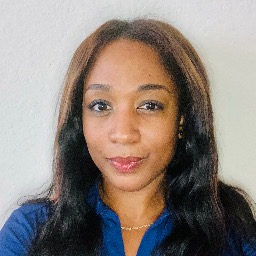
About Lakisha
Lakisha (Kennedy) Hudson uses a person-centered approach to guide people through life’s hardest moments. She is a Licensed Professional Counselor, and she draws on practical strategies to help with stress, anxiety, anger, low self-esteem, depression, and parenting concerns. She combines talk-based support with tools from cognitive behavioral therapy and dialectical behavior therapy.
That means sessions often focus on changing unhelpful thoughts, building emotion regulation skills, and practicing new ways to respond when things get hard.
Background and approach
Mindfulness techniques are used to help people slow down and notice what’s happening in the moment. With ten years of clinical experience, she has worked in nonprofit programs, schools, correctional settings, and independent practice. She recently added a Florida Licensed Mental Health Counselor credential while maintaining her South Carolina LPC credential.
Her background includes supporting people facing attention challenges, bipolar mood concerns, grief, and adjustment after life changes. Her style is warm and direct, using empathy and occasional humor to build trust. She aims to meet each person where they are and tailor strategies to practical, everyday needs rather than relying on one-size-fits-all plans.
Sessions can include conversations about attachment and abandonment, blended family strain, communication and control struggles, feelings of emptiness or isolation, and multicultural or veteran-related concerns. Lakisha works in English and offers several online formats to fit different schedules and preferences.
How therapeutic approaches work online
Client-centered therapy focuses on listening and understanding the person’s experience without judgment. It helps people feel heard and supported while they decide what changes they want to make. Cognitive behavioral therapy, or CBT, looks at the link between thoughts, feelings, and actions and teaches practical exercises to reduce anxiety, lift mood, and change unhelpful habits.Finding the right approach is often a collaborative process. The therapist will talk with each person about their needs, goals, and preferences and then recommend strategies to try together. Sessions can shift over time as progress is made and new challenges appear.
Online therapy offers several practical benefits for this work. Video calls allow face-to-face conversations and exercises that benefit from visual cues. Phone sessions can be a good option when bandwidth is limited or a simpler check-in is needed. Live chat and text messaging support shorter check-ins and ongoing skills practice between longer sessions. These options make it easier to fit therapy into a busy week and to use the approaches described above in everyday life.
Questions people ask
What concerns does she help with?
What is her therapy style like?
What kind of clinical background does she have?
Where is she licensed and based?
Which languages are supported for sessions?
What session formats are available?
How are sessions paid for?
How do I begin working with her?
What this counselor works with
Most often
- Stress, Anxiety
- Anger management
- Self esteem
Also listed
- Abandonment
- ADHD
- Attachment issues
- Bipolar disorder
- Blended family issues
- Communication problems
- Control issues
- Coping with life changes
- Depression
- Domestic violence
- Emptiness
- Family problems
- Forgiveness
- Guilt and shame
- Impulsivity
- Intimacy-related issues
- Isolation / loneliness
- Life purpose
- Multicultural concerns
- Narcissism
- Panic disorder and panic attacks
- Parenting issues
- Post-traumatic stress
- Postpartum depression
- Self-love
- Social anxiety and phobia
- Veteran and Armed Forces Issues
Therapeutic approaches
- Experience
- 10 years
- Licensed
- South Carolina, Florida
- Languages
- English