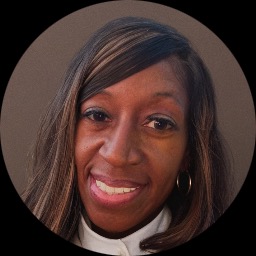
About Kendra
Kendra Woody Simmons is a Licensed Professional Counselor (LPC) based in South Carolina with 15 years of experience. She focuses on helping people navigate stress, anxiety, depression, addictions, and relationship or family tensions. Her tone is warm and direct, and she aims to make the first steps toward change feel manageable.
She combines practical talk therapy with mindfulness skills and goal-focused techniques. Sessions are conversational and interactive. She pays attention to each person's needs and adjusts the pace and tools used as progress unfolds.
Background and approach
Kendra works with people coping with trauma, grief, parenting strain, workplace stress, and identity-related concerns including LGBT issues. She also supports those dealing with bipolar disorder, ADHD, substance use, and compassion fatigue. Her additional focuses include blended family challenges and caregiver stress.
Her methods draw on Acceptance and Commitment Therapy, client-centered work, cognitive behavioral techniques, mindfulness, and motivational interviewing. Those approaches are used to build coping strategies, change unhelpful patterns, and clarify values that guide change. She emphasizes respect, sensitivity, and avoiding stigmatizing labels.
The conversation in therapy is tailored to the person rather than following a fixed script. Many people find that a steady, collaborative process helps them move toward more satisfying day-to-day life.
Approaches that translate well to online care
Acceptance and Commitment Therapy (ACT) focuses on helping people clarify their values and take small actions toward those values. It uses exercises to notice thoughts without getting stuck in them and can help with anxiety, stress, and life changes. Cognitive Behavioral Therapy (CBT) is about spotting patterns of thinking and behavior that cause trouble and practicing different responses. It helps with depression, anxiety, and practical skills like sleep and activity planning. Client-Centered Therapy emphasizes an accepting, nonjudgmental conversation where the therapist listens closely and follows the person's lead to build understanding and self-direction.Finding the right mix of methods is part of the work. The therapist will collaborate with each person to decide which approaches fit their goals and preferences. That makes it easier to adjust the plan if something isn't helpful and to focus on what leads to steady progress.
Online therapy options include video calls, phone sessions, live chat, and text-based messaging. Video calls let people use visual cues and longer conversations. Phone sessions can fit into a busy day or use less bandwidth. Live chat and text-based messaging are useful for brief check-ins, ongoing coaching, or when someone prefers writing to speaking. These formats increase flexibility and make it easier to keep therapy consistent alongside work, parenting, or other obligations.
Questions people ask
What concerns does this therapist address?
How would you describe the therapist's approach and style?
What is her experience working with clients?
Where is the therapist licensed and located?
Are sessions available in languages other than English?
What formats are offered for sessions?
How does payment and cost work?
How do I begin working with this therapist?
What this counselor works with
Most often
- Stress, Anxiety
- Addictions
- Relationship issues
Also listed
- ADHD
- Anger management
- Bipolar disorder
- Blended family issues
- Career difficulties
- Caregiver issues and stress
- Coaching
- Compassion fatigue
- Control issues
- Coping with life changes
- Dependent personality
- Depression
- Domestic violence
- Drug and alcohol addiction
- Family conflicts
- Grief
- Intimacy-related issues
- Isolation / loneliness
- LGBT
- Multicultural concerns
- Parenting issues
- Self esteem
- Self-love
- Trauma and abuse
- Veteran and Armed Forces Issues
- Workplace issues
- Young adult issues
Therapeutic approaches
- Experience
- 15 years
- Licensed
- South Carolina
- Languages
- English