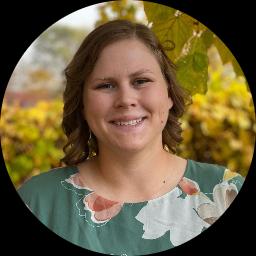
About Kelsey
Kelsey Kirkwood uses a client-centered approach to guide people through hard moments. She is an LPCC - Licensed Professional Clinical Counselor - with five years of professional experience. Kelsey focuses on practical steps that help clients talk about what matters and try new ways of coping.
She often helps people dealing with addiction, relationship strain, trauma and abuse, anxiety, and depression. Kelsey also works with concerns like parenting stress, grief, intimacy issues, and workplace problems.
Background and approach
She brings attention to how daily habits and communication patterns affect wellbeing. In sessions she listens first and follows each person's lead. That means conversations focus on the client's goals and immediate concerns.
Kelsey offers structured tools when they fit, and space to sort through feelings when that is needed. Her approach can include elements of Dialectical Behavior Therapy to manage intense emotions and Motivational Interviewing to support change. She also uses Solution-Focused and Trauma-Focused methods to set clear, reachable steps and address past harms.
Kelsey aims to make starting therapy less intimidating. She helps people identify small, manageable goals and tracks progress together. Her style is straightforward, calm, and goal-oriented to help clients move forward at their own pace.
Approaches that guide online sessions and practical benefits
Client-Centered Therapy focuses on the person in front of the therapist. It emphasizes listening, empathy, and following each client's priorities to help them clarify goals and feel heard. This approach is helpful for people coping with anxiety, grief, or relationship strain.Dialectical Behavior Therapy, or DBT, brings clear skills for managing intense emotions. It teaches techniques for distress tolerance, emotional regulation, and better interpersonal communication, which can help with anger, mood swings, and stress.
Finding the right approach is part of the work together. The therapist will talk with the client about goals, try different methods, and adjust techniques based on what helps most. That collaborative process makes it easier to identify practical steps and track small wins over time.
Online sessions are offered by video call, phone, live chat, or text-based messaging to match different needs. Video calls are useful for deeper conversations when visual connection matters. Phone sessions can fit into a short break or require less bandwidth. Live chat and text messaging allow brief check-ins and ongoing support between longer meetings. These options make therapy more flexible and easier to fit into a busy life.
Questions people ask
What concerns does she help with?
What is her general therapy style like?
How much experience does she have?
What credential does she hold and where is she based?
Are sessions offered in other languages or internationally?
What formats are used for sessions?
How are fees and payment handled?
How do I begin working with her?
What this counselor works with
Most often
- Addictions
- LGBT
- Relationship issues
Also listed
- ADHD
- Anger management
- Autism and Asperger Syndrome
- Bipolar disorder
- Career difficulties
- Communication problems
- Compassion fatigue
- Coping with life changes
- Depression
- Domestic violence
- Drug and alcohol addiction
- Family conflicts
- Gender dysphoria
- Grief
- Guilt and shame
- HIV / AIDS
- Intimacy-related issues
- Life purpose
- Multicultural concerns
- Parenting issues
- Post-traumatic stress
- Prejudice and discrimination
- Self esteem
- Self-love
- Sexuality
- Stress, Anxiety
- Trauma and abuse
- Women's issues
- Workplace issues
- Young adult issues
Therapeutic approaches
- Experience
- 5 years
- Licensed
- Minnesota
- Languages
- English