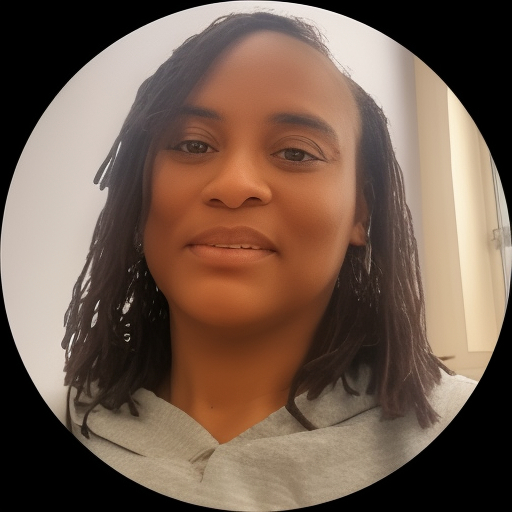
About Katennia
Katennia Thomas offers focused help for people dealing with anger and major life changes. She writes in a straightforward way and aims to create a calm, respectful space for conversation. Katennia is a Licensed Professional Counselor, or LPC, practicing in Arizona with ten years of experience.
She helps people who are navigating mood struggles, panic attacks, feelings of emptiness, or loneliness. She also supports those facing caregiver stress, aging and geriatric concerns, postpartum depression, and women's issues.
Background and approach
Communication problems, guilt, shame, and impulsivity are among other topics she addresses. Sessions are practical and goal-oriented. Katennia works with each person to set clear, manageable steps and teaches skills for emotion regulation and coping.
She avoids a one-size-fits-all approach and adjusts plans to match each person's needs and pace. Her style is direct but warm. She listens closely, asks helpful questions, and offers strategies people can try between sessions.
The work can include short-term skill building or longer discussions about meaning and self-worth. People looking to begin will find guidance on how to start and what to expect in the first few meetings. Katennia aims to make therapy a usable part of everyday life, with options that fit different schedules and communication preferences.
Approaches that guide online sessions
Evidence-based techniques are used to teach concrete skills and reduce distress. One approach focuses on emotion regulation and practical coping strategies to manage anger, panic, and mood symptoms; sessions teach steps people can practice between meetings. Another approach centers on improving communication and interpersonal skills to ease isolation, social anxiety, and conflicts; it uses role play and real-life practice to build confidence.Finding the right method is part of the work. The therapist will talk with each person about goals, preferences, and what has or hasn't helped in the past. Together they decide which tools to try first and adjust the plan as progress is made, keeping the process collaborative and flexible.
Online formats include video calls, phone sessions, live chat, and text-based messaging. Video is useful for face-to-face conversation and deeper discussion. Phone sessions work well when bandwidth is limited or when a shorter check-in fits a busy day. Live chat and text messaging offer quick access for brief updates, skill practice, or ongoing support between appointments. These options let people fit therapy into varied schedules and life demands.
Questions people ask
What kinds of concerns does this therapist address?
How would you describe the therapeutic style?
What is her experience in the field?
What credentials and location apply?
Which languages are available for sessions?
What session formats are offered?
How does cost and payment work?
How do I begin working with this therapist?
What this counselor works with
Most often
- Anger management
- Coping with life changes
Also listed
- Aging and geriatric issues
- Caregiver issues and stress
- Communication problems
- Emptiness
- Forgiveness
- Guilt and shame
- Impulsivity
- Isolation / loneliness
- Mood disorders
- Panic disorder and panic attacks
- Postpartum depression
- Self-harm
- Self-love
- Social anxiety and phobia
- Women's issues
- Workplace issues
- Young adult issues
- Experience
- 10 years
- Licensed
- Arizona
- Languages
- English