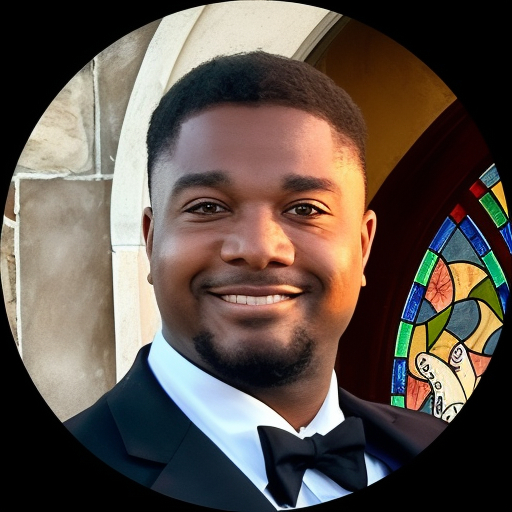
About Josiah
Josiah Woods is a licensed professional counselor who helps people facing stress, anxiety, depression, relationship struggles, and addiction concerns. He also supports clients dealing with trauma and emotional abuse. His approach aims to make hard conversations easier to have and to help people take practical steps forward.
Josiah keeps sessions warm and engaged. He treats people with respect, sensitivity, and compassion. In session he listens closely, asks practical questions, and helps clients set realistic goals they can try between meetings.
Background and approach
He draws on a mix of approaches, including cognitive-behavioral, humanistic, psychodynamic, and dialectical behavior therapy, and adapts those methods to each person’s needs. That means some sessions focus on changing unhelpful thinking and behavior. Other sessions may focus on understanding past patterns and building new skills for managing emotions.
Josiah has three years of clinical experience working in varied settings in Texas. He uses that background to help people who feel stuck after loss, struggle with codependency, face commitment or communication problems, or wrestle with shame and isolation. He also works with issues like obsessive-compulsive behaviors and drug or alcohol problems.
Sessions are offered in English and provided through online formats. People who are ready to begin complete a short matching questionnaire and schedule according to the therapist’s availability.
Approaches that guide online work and practical benefits
Josiah uses a mix of evidence-based techniques to tailor care to each person. Cognitive-behavioral methods focus on identifying and changing unhelpful thoughts and behaviors, which can help with anxiety, depression, and compulsive habits. Dialectical behavior therapy offers concrete skills for managing intense emotions and improving how someone copes with stress and relationship conflict. Psychodynamic ideas are used to notice repeating patterns from the past and how they show up now, which can help people understand long-standing problems like codependency or commitment fears.Finding the right approach is a collaborative process. The therapist will work with each person to test methods, adjust the plan, and pick techniques that match their goals and preferences. Conversations about what helps most are part of ongoing care rather than a one-time decision.
Online formats make it easier to fit therapy into a busy life. Video calls allow face-to-face dialog when a deeper conversation is needed. Phone sessions can work well when bandwidth is limited or a shorter check-in is preferred. Live chat and text-based messaging provide flexible ways to send updates, practice skills between sessions, or check in on tough days. These options aim to make consistent work on concerns like anxiety, addiction, and relationship problems more practical and accessible.
Questions people ask
What concerns does this therapist help with?
How would you describe his therapy style?
What is his background and experience?
Where is he located and what credential does he hold?
In which languages are sessions offered?
What session formats are available?
How are sessions priced?
How do I begin working with him?
What this counselor works with
Most often
- Stress, Anxiety
- Addictions
- Relationship issues
Also listed
- Abandonment
- Codependency
- Commitment issues
- Communication problems
- Control issues
- Depression
- Drug and alcohol addiction
- Emptiness
- Family problems
- Forgiveness
- Guilt and shame
- Isolation / loneliness
- Jealousy
- Men's issues
- Multicultural concerns
- Obsessions, compulsions, and OCD
- Post-traumatic stress
- Process addiction (porn, exercise, gambling)
- Self-harm
- Self-love
- Smoking / vaping cessation
- Social anxiety and phobia
- Trauma and abuse
- Workplace issues
- Young adult issues
- Experience
- 3 years
- Licensed
- Texas
- Languages
- English