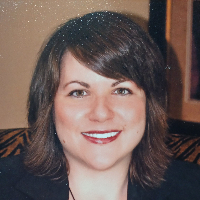
About Jenifer
Jenifer Regennitter is a licensed clinician who helps adults facing stress, anxiety, depression, grief, addictions, trauma, and related concerns. She brings 25 years of experience and meets people where they are emotionally and spiritually. Jenifer offers Christian Counseling when requested, while working respectfully with all backgrounds.
She earned a Master of Science in Education in Counseling and a bachelor's degree in psychology from Western Illinois University. Her clinical career began in 2000 and spans residential, inpatient, outpatient, and community mental health settings.
Background and approach
That variety lets her recognize common patterns and practical steps that help people feel steadier. Jenifer uses straightforward, collaborative methods in sessions. She often leans on Cognitive Behavioral Therapy to identify thinking patterns, Client-Centered Therapy to follow each person's pace, and Solution-Focused Therapy to set clear, short-term goals.
Trauma-Focused approaches are applied when past harm affects daily life. Sessions may include talking, problem-solving, and occasional take-home exercises to practice new skills between meetings. She adapts work to address concerns like panic attacks, mood disorders, survivor trauma, caregiver stress, codependency, and feelings of emptiness or isolation.
People can expect a practical partnership that highlights their strengths and options. Jenifer aims to help clients notice small shifts that lead to steadier days. She frames progress as a series of manageable steps toward better coping and more meaningful routines.
Approaches that guide online sessions
Jenifer commonly uses Cognitive Behavioral Therapy and Solution-Focused Therapy in online work. Cognitive Behavioral Therapy looks at how thoughts, feelings, and behaviors connect and teaches practical tools to shift unhelpful patterns; it is useful for anxiety, depression, panic, and mood concerns. Solution-Focused Therapy centers on small, achievable goals and helps people build on what already works in their lives, which can be helpful for coping with life changes and caregiver stress. She also draws on Client-Centered Therapy to make sessions person-led and respectful of each individual's pace.Finding the right approach is part of the process. The therapist will discuss goals, preferences, and day-to-day realities and then recommend techniques to try together. That collaborative process means the plan can change over time based on what helps most.
Online sessions are offered by video calls, phone, live chat, or text-based messaging to increase flexibility. Video works well for deeper conversations and skill practice, phone is useful when bandwidth is limited, live chat can support brief check-ins, and messaging lets people reflect between sessions. These options make it easier to fit therapy into busy schedules and different routines.
Questions people ask
What kinds of concerns can be addressed?
What is her general therapy style?
How long has she practiced clinically?
Where is she licensed and based?
Which languages are sessions offered in?
What session formats are available?
How are fees and subscriptions handled?
How do I begin working with her?
What this counselor works with
Most often
Also listed
- Abandonment
- Addictions
- Anger management
- Bipolar disorder
- Caregiver issues and stress
- Codependency
- Compassion fatigue
- Control issues
- Coping with life changes
- Coping with natural or human-caused disaster
- Dissociation
- Emptiness
- Family of origin issues
- Forgiveness
- Grief
- Guilt and shame
- Isolation / loneliness
- Life purpose
- Mood disorders
- Panic disorder and panic attacks
- Post-traumatic stress
- Postpartum depression
- Seasonal Affective Disorder (SAD)
- Self-harm
- Self-love
- Social anxiety and phobia
- Trauma and abuse
- Women's issues
- Workplace issues
Therapeutic approaches
- Experience
- 25 years
- Licensed
- Illinois, Iowa
- Languages
- English