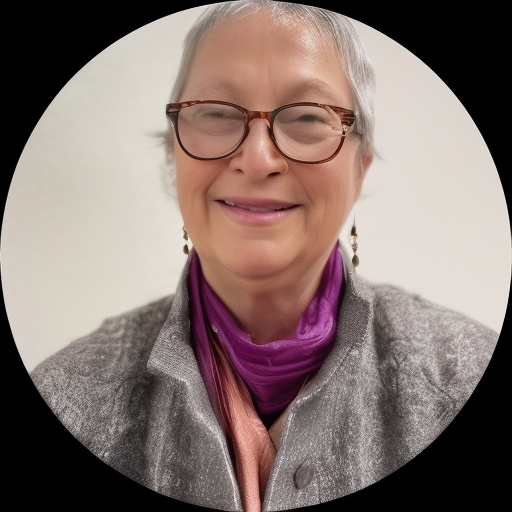
About Ivy
Ivy Medow is a licensed professional counselor practicing in Oregon with four years of clinical experience. She focuses on helping people who are facing career questions, low self-esteem, major life changes, and the strain that comes with caregiving and aging. Ivy emphasizes practical steps and steady support so clients can begin making tangible changes.
She welcomes direct conversations and small first steps toward feeling steadier. Her work often centers on rebuilding confidence and motivation.
Background and approach
She helps people clarify goals and create manageable plans to reach them. Sessions look at day-to-day coping skills for life transitions and strategies to reduce compassion fatigue. Ivy pays close attention to how family history and cultural background shape current problems.
People meet here with respect and straightforward feedback. Ivy takes an inclusive stance and aims to understand differences in identity and experience. She listens for strengths and then builds on them.
The aim is steady progress rather than quick fixes. Ivy uses practical tools from mindfulness, motivational interviewing, and narrative and solution-focused ideas. These methods guide short-term problem solving and longer work on self-worth and life purpose.
Sessions mix reflection, goal-setting, and small experiments to try between meetings. She encourages clients to name one clear goal and then make the next step toward it. The process is collaborative and paced to the person's needs.
Ivy’s style is calm, direct, and hopeful, focused on helping people move forward without pressure.
Approaches for Online Support and Practical Change
Mindfulness Therapy helps people notice thoughts and sensations without getting overwhelmed. It teaches simple grounding and breathing practices that can reduce reactivity and improve focus, which is useful for stress, compassion fatigue, and low mood.Motivational Interviewing focuses on building a person’s own reasons for change. It uses curious questions and gentle reflection to increase motivation for steps such as career shifts, better self-care, or caregiving plans.
Finding the right approach is part of the work. The therapist will talk with each person about goals and preferences, then try methods that fit those needs. This happens together, with adjustments over time based on what feels most helpful.
Online sessions are offered by video call, phone, live chat, or text-based messaging to make scheduling easier. Video works well for deeper conversations and visual cues. Phone sessions can be simpler when bandwidth is limited, and text or live chat can be useful for quick check-ins or brief coaching between meetings. These options allow more flexibility for people juggling work, caregiving, or travel.
Questions people ask
What concerns does this therapist address?
How would you describe the therapy style here?
What is the therapist's background and experience?
Where is the therapist located and licensed?
Which languages are supported for sessions?
What session formats are available?
How does payment and cost work?
What steps do I take to begin therapy?
What this counselor works with
Most often
- Family conflicts
- Self esteem
- Career difficulties
Also listed
- Aging and geriatric issues
- Caregiver issues and stress
- Compassion fatigue
- Coping with life changes
- Family of origin issues
- Forgiveness
- Hospice and end-of-life counseling
- Impulsivity
- Isolation / loneliness
- Life purpose
- Midlife crisis
- Multicultural concerns
- Prejudice and discrimination
- Seasonal Affective Disorder (SAD)
- Self-love
- Traumatic brain injury
- Women's issues
- Workplace issues
Therapeutic approaches
- Experience
- 4 years
- Licensed
- Oregon
- Languages
- English