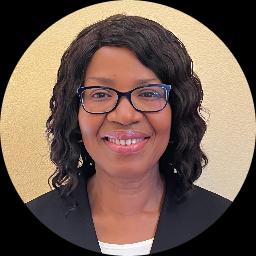
About Ijeoma
Ijeoma Dike is a licensed professional counselor in Texas who helps people manage stress, anxiety, depression, grief, and trauma. She also supports those facing relationship and family tensions, parenting strain, addiction concerns, mood challenges, and major life changes. Her work is direct and practical, focused on small steps that add up to real change.
She uses clear tools to help people notice unhelpful thoughts and try different behaviors. Cognitive Behavioral Therapy, or CBT, is one of the main methods she uses to break cycles of worry, panic, or low mood.
Background and approach
Sessions are conversational and goal-focused, with strategies that can be practiced between meetings. Her background spans 17 years in counseling work across diverse communities in Texas. That experience informs a culturally aware approach and an eye for how life context shapes emotional struggles.
She listens for what matters most to each person and tailors the work accordingly. In sessions she emphasizes skills for managing strong emotions like anger and panic, rebuilding self-esteem, and repairing communication patterns. She also helps people navigate grief, separation, caregiver stress, and codependency in practical ways.
The focus is on usable strategies, not on labels. People who work with her can expect a steady, collaborative process. She aims to help each person identify clear goals, try adaptable tools, and track progress over time.
Simple homework and regular check-ins keep the work focused and moving forward.
How CBT and online sessions fit together
CBT, or Cognitive Behavioral Therapy, focuses on spotting patterns of thought and behavior that fuel anxiety, depression, panic, or low mood. It uses short exercises and experiments to test new ways of thinking and acting, which can reduce symptoms and improve daily functioning.In addition to CBT techniques, sessions often include practical skill-building like emotion regulation, communication practice, and coping plans for triggers. These tools aim to help with anger, panic attacks, grief, and relationship difficulties by offering step-by-step exercises and homework between sessions.
Choosing the right approach is part of the work together. The therapist will talk with each person about goals, needs, and preferences and will adjust methods as progress is tracked. That collaborative process helps find what fits best for the individual.
Online sessions make it easier to fit therapy into a busy life. Video calls allow face-to-face conversation without travel, phone sessions can work when bandwidth is limited or for brief check-ins, and live chat or text messaging can support quick processing or ongoing check-ins between meetings. These options offer flexibility and help people stay consistent with their work.
Questions people ask
What kinds of concerns does she address?
How would you describe her therapeutic style?
What is her clinical background?
What credentials and location apply to her practice?
Which languages are available for sessions?
What session formats does she use?
How is cost handled for sessions?
What are the first steps to begin therapy?
What this counselor works with
Most often
- Stress, Anxiety
- Grief
- Anger management
Also listed
- Abandonment
- Addictions
- Bipolar disorder
- Career difficulties
- Caregiver issues and stress
- Codependency
- Communication problems
- Coping with life changes
- Depression
- Divorce and separation
- Domestic violence
- Family conflicts
- Family problems
- Forgiveness
- Isolation / loneliness
- Mood disorders
- Multicultural concerns
- Panic disorder and panic attacks
- Parenting issues
- Post-traumatic stress
- Relationship issues
- Self esteem
- Self-love
- Social anxiety and phobia
- Trauma and abuse
- Women's issues
- Young adult issues
Therapeutic approaches
- Experience
- 17 years
- Licensed
- Texas
- Languages
- English