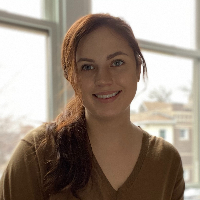
About Ericah
Ericah Saoudi is a licensed counselor who brings seven years of clinical experience to her work in Wisconsin. She holds the Licensed Clinical Professional Counselor credential and the Licensed Professional Counselor credential. Ericah focuses on making therapy straightforward and practical for people feeling overwhelmed by life changes, mood symptoms, or substance concerns.
She often begins by listening to what matters most to a person, then helps set small, clear goals.
Background and approach
Sessions emphasize skills that can be used between meetings, such as coping techniques for panic or ways to manage intense emotions. Many clients find this approach helpful for stress, anxiety, depression, and addiction-related worries. Ericah uses a client-centered stance that keeps each person's priorities at the center of the work.
She also draws on cognitive behavioral strategies to identify unhelpful patterns and try out new behaviors. Mindfulness and motivational interviewing are woven in when they fit a client's needs and goals. Her background includes work with people facing trauma, mood disorders, and relationship or parenting stresses.
She aims to create a steady space where someone can talk through past hurts, work on impulse control, or find clearer direction in career and life decisions. Sessions are offered in English and range from short check-ins to deeper weekly work. Ericah helps people move toward concrete changes while honoring the complexity of their experiences.
Therapeutic approaches and online access
Ericah uses client-centered work to focus on what matters most to the person in front of her. That approach means the therapist listens closely and follows the client's priorities, helping set goals and adjust pace as needed. Cognitive behavioral therapy is also a common part of her work, helping people notice thinking patterns, try new behaviors, and reduce symptoms like panic or persistent worry.Finding the right approach is a collaborative process. Ericah will help weigh different methods against a client's goals, preferences, and life demands, and will adapt tools over time so the work stays useful and realistic.
Online therapy options include video calls, phone sessions, live chat, and text-based messaging to make sessions easier to fit into a busy life. Video works well for deeper conversations and visual cues, phone can be a simpler low-bandwidth option, live chat supports focused check-ins, and messaging can keep momentum between longer sessions. These formats aim to increase flexibility so therapy can fit work, parenting, or other daily responsibilities.
Questions people ask
What kinds of concerns can be addressed in therapy?
What is her general approach in sessions?
How much clinical experience does she have?
Where is the therapist licensed and located?
Which languages are available for sessions?
What session formats are offered?
How does cost and billing work?
What are the steps to begin therapy?
What this counselor works with
Also listed
- ADHD
- Anger management
- Antisocial personality
- Bipolar disorder
- Career difficulties
- Co-morbidity
- Compassion fatigue
- Coping with life changes
- Depression
- Disruptive Mood Dysregulation Disorder (DMDD)
- Domestic violence
- Drug and alcohol addiction
- Emptiness
- Family conflicts
- Family problems
- Impulsivity
- Isolation / loneliness
- Mood disorders
- Panic disorder and panic attacks
- Paranoia
- Parenting issues
- Personality disorders
- Post-traumatic stress
- Pregnancy and childbirth
- Relationship issues
- Seasonal Affective Disorder (SAD)
- Self esteem
- Self-harm
- Social anxiety and phobia
- Veteran and Armed Forces Issues
- Women's issues
- Young adult issues
Therapeutic approaches
- Experience
- 7 years
- Licensed
- Illinois, Wisconsin
- Languages
- English