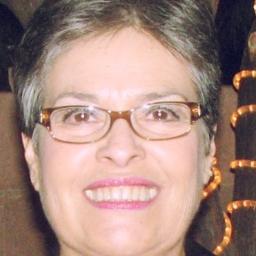
About Edna
Edna C Rosas-Gutierrez is a licensed professional counselor practicing in Arizona with 18 years of clinical experience. She focuses on practical help for people feeling overwhelmed by stress, anxiety, relationship strains, trauma, or grief. Edna speaks English and Spanish and approaches each conversation with respect and compassion.
She builds simple, individualized plans rather than one-size-fits-all solutions. Sessions aim to name problems clearly, try manageable steps, and track what helps most.
Background and approach
Edna pays attention to how past experiences like attachment wounds or abandonment shape current patterns. Her work often addresses common struggles such as low self-esteem, difficulties with commitment or communication, and the aftermath of divorce or separation. She also supports people coping with caregiver stress, codependency, or the emotional impact of natural or human-caused disasters.
In-session, Edna uses evidence-based therapeutic techniques to help clients practice new ways of relating and recovering from painful events. She encourages straightforward goals and small changes that fit daily life. Forgiveness, guilt and shame, and finding life purpose are frequent topics she helps people talk through.
Edna adapts sessions to each person’s needs and discusses what to try next as progress emerges. Asking for help is framed as the first step toward new options, and she works to make that step feel clear and useful.
Evidence-based approaches and online care
Edna uses evidence-based therapeutic techniques to guide work on clear goals. One common approach focuses on processing trauma and its effects through paced conversations and coping strategies that reduce distress and rebuild daily functioning. Another approach emphasizes practical skills for anxiety and stress - learning breathing and grounding exercises, testing unhelpful thoughts, and practicing small behavioral changes that ease symptoms.Finding the right approach is part of the work together. The therapist will listen to a person’s story, discuss options, and try methods that match their goals and preferences. Clients are invited to give feedback so the plan is adjusted when something is not helpful.
Online formats offer flexibility for fitting therapy into busy lives. Video calls let people use visual cues and deeper conversation. Phone sessions work well when bandwidth is limited or for a shorter check-in. Live chat and text-based messaging allow for written check-ins, brief support between sessions, and options for people who prefer typing. These choices help make therapy more accessible around work, caregiving, and daily routines.
Questions people ask
What concerns does she commonly help with?
How would you describe her therapeutic style?
How much clinical experience does she have?
What credentials and location are listed?
In which languages can sessions be held?
What session formats are available online?
How does cost and billing work?
How do I begin working with her?
What this counselor works with
Most often
- Stress, Anxiety
- Relationship issues
- Trauma and abuse
Also listed
- Abandonment
- Attachment issues
- Caregiver issues and stress
- Codependency
- Commitment issues
- Communication problems
- Coping with natural or human-caused disaster
- Divorce and separation
- Domestic violence
- Forgiveness
- Grief
- Guilt and shame
- Isolation / loneliness
- Life purpose
- Men's issues
- Midlife crisis
- Mood disorders
- Multicultural concerns
- Obsessions, compulsions, and OCD
- Post-traumatic stress
- Process addiction (porn, exercise, gambling)
- Self esteem
- Self-love
- Sex addiction
- Sexual assault and abuse
- Sexual dysfunction
- Sexuality
- Social anxiety and phobia
- Women's issues
- Workplace issues
- Experience
- 18 years
- Licensed
- Arizona
- Languages
- English, Spanish