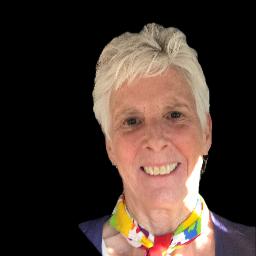
About Deborah
Deborah Wood is a Licensed Professional Counselor (LPC) with a long clinical career. She brings 42 years of experience and a person-centered way of working that emphasizes respect and empowerment. Deborah aims to make sessions feel safe and straightforward for people under stress or facing big life changes.
She uses Client-Centered Therapy to listen deeply and build trust. That approach helps when someone needs to talk through grief, loss, or low self-esteem.
Background and approach
Cognitive Behavioral Therapy (CBT) is part of her practice for addressing anxiety, panic, and mood-related patterns with practical steps. Deborah also draws on Emotionally-Focused Therapy and Mindfulness approaches when feelings and relationships feel overwhelming. She helps people notice patterns in their emotional responses and practice new ways of relating to themselves.
Existential ideas are woven in when questions about life purpose or meaning come up. Her background includes a degree from Antioch University Seattle and licensure as LPC and Licensed Clinical Mental Health Counselor, LCMHC. Those credentials reflect long clinical work across different settings in adult mental health.
Deborah provides services from Arizona and conducts sessions in English. In sessions she prioritizes clear communication and collaborative planning. People can expect practical strategies together with an emphasis on being heard.
Her areas of focus include stress, anxiety, trauma and abuse, grief, depression, sleeping difficulties, parenting concerns, and LGBT-related issues.
Online approaches that fit real life
Deborah often uses Client-Centered Therapy to create a steady, accepting space where people can talk through what matters most. That approach prioritizes listening and building trust so someone feels understood before making changes.She also uses Cognitive Behavioral Therapy, which focuses on identifying unhelpful thoughts and testing small behavioral experiments. CBT is useful for anxiety, panic, low mood, and sleep problems because it gives concrete tools to try between sessions.
Finding the right approach is a collaborative process. The therapist will work with each person to choose methods that match their needs, goals, and preferences. That might mean starting with listening and then adding CBT exercises or mindfulness practices as needed.
Online sessions are offered by video calls, phone sessions, live chat, or text-based messaging to make therapy fit into busy lives. Video calls let people have a face-to-face conversation. Phone sessions can be easier when bandwidth is limited or a shorter check-in is needed. Live chat and text-based messaging allow ongoing support and brief check-ins without scheduling a full appointment.
These options make it easier to keep up with regular sessions, switch formats when life changes, and try different ways of working until the best fit is found.
Questions people ask
What concerns does she address?
What is her therapeutic style?
How much clinical experience does she have?
What credentials and region are listed?
Which languages and international options are available?
In what formats are sessions offered?
How do fees and billing work?
What steps start the process?
What this counselor works with
Most often
Also listed
- Abandonment
- Caregiver issues and stress
- Chronic pain, illness, and disability
- Communication problems
- Coping with life changes
- Depression
- Guilt and shame
- HIV / AIDS
- Hospice and end-of-life counseling
- Isolation / loneliness
- LGBT
- Life purpose
- Mood disorders
- Panic disorder and panic attacks
- Parenting issues
- Post-traumatic stress
- Postpartum depression
- Self esteem
- Self-love
- Sexual assault and abuse
- Sleeping disorders
- Women's issues
Therapeutic approaches
- Experience
- 42 years
- Licensed
- Arizona, New Hampshire
- Languages
- English