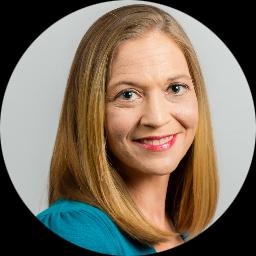
About Cynthia
Cynthia Sewell is a licensed professional counselor who focuses on helping people manage hard times and regain a sense of control. She brings seven years of counseling experience and emphasizes practical steps that make daily life easier. Her style is straightforward and encouraging for people who feel stuck or overwhelmed.
She believes mental health matters just like physical health. Sessions address the whole person - physical, mental, spiritual, and social factors are part of the conversation.
Background and approach
Work in sessions centers on finding routines and skills that fit each person’s life. Cynthia uses an integrated approach that pulls from several methods. That means sessions may include talking things through, learning different ways to respond to stress, and practicing new coping skills.
The plan is tailored to what a person needs right now rather than a one-size-fits-all program. Her areas of focus include stress, anxiety, depression, relationship concerns, parenting strains, grief, trauma and abuse, addictions, and mood conditions such as bipolar disorder. She also helps people facing life transitions, isolation, codependency, and career questions.
Cynthia has experience working with people across a broad age range. In sessions clients can expect clear goals and tools to use outside of therapy. Cynthia encourages collaboration and small steps toward change.
Her aim is to help people move from merely getting by to feeling more capable and connected in daily life.
How Cynthia’s Approaches Work Online
Client-Centered Therapy focuses on listening and partnership. The therapist follows a person’s lead, helps name what matters, and supports the choices someone wants to make. This approach can help when someone needs a steady, accepting space to talk about stress or life changes.Cognitive Behavioral Therapy, or CBT, looks at the links between thoughts, feelings, and actions. Sessions teach concrete techniques to shift unhelpful thinking and build different behaviors, which can reduce anxiety, depression, and panic symptoms. Dialectical Behavior Therapy, or DBT, offers skills for managing intense emotions and improving relationships through mindfulness, distress tolerance, and better communication.
Finding the right approach is part of the work. The therapist will talk with each person about goals, try approaches that fit those goals, and adjust the plan as progress is made. That collaborative process helps match skills and strategies to real-life needs.
Online sessions are offered through video calls, phone sessions, live chat, and text-based messaging to make therapy more flexible. Video is useful for longer sessions and learning new skills, phone calls work well when bandwidth is low or a simpler check-in is needed, and text or chat can fit brief updates or day-to-day coaching. These options make it easier to keep therapy consistent around work, school, or parenting demands.
Questions people ask
What concerns can Cynthia help with?
What is her therapeutic style like?
How much counseling experience does she have?
Where is she licensed and based?
Which languages are supported?
What formats are available for sessions?
How does payment and cost work?
How do I begin working with her?
What this counselor works with
Most often
- Stress, Anxiety
- Relationship issues
- Self esteem
Also listed
- Addictions
- ADHD
- Anger management
- Bipolar disorder
- Career difficulties
- Co-morbidity
- Codependency
- Communication problems
- Control issues
- Coping with life changes
- Coping with natural or human-caused disaster
- Dependent personality
- Depression
- Disruptive Mood Dysregulation Disorder (DMDD)
- Family conflicts
- Grief
- Isolation / loneliness
- Life purpose
- Mood disorders
- Panic disorder and panic attacks
- Parenting issues
- Post-traumatic stress
- Seasonal Affective Disorder (SAD)
- Self-love
- Social anxiety and phobia
- Trauma and abuse
- Veteran and Armed Forces Issues
- Young adult issues
Therapeutic approaches
- Experience
- 7 years
- Licensed
- Arkansas
- Languages
- English