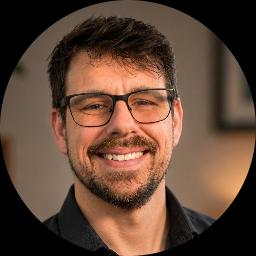
About Christopher
Christopher Timms is a Licensed Professional Counselor in Texas who focuses on helping people manage stress, anxiety, depression, and trauma. He uses a practical, down-to-earth style that aims to make therapy feel manageable. Christopher emphasizes concrete skills people can use between sessions.
He presents as calm and straightforward to make it easier to talk about hard things. His approach blends evidence-based therapeutic techniques with a collaborative attitude. He helps people understand why patterns happen and then practices skills to change them.
Background and approach
He uses tools from cognitive behavioral ideas, acceptance and commitment principles, and mindfulness to address worry, low mood, panic, and trauma responses. Christopher also draws on somatic awareness and motivational interviewing to support motivation and body-centered reactions to stress. He adapts methods to each person's needs rather than using a one-size-fits-all plan.
This means sessions can include skill practice, behavioral experiments, and reflection on values. His background includes time in the U.S. Army and work in education as a teacher and school counselor.
Those roles influenced his focus on resilience, practical problem solving, and supporting life transitions. He aims to help people build clarity and steady routines that fit their goals. If someone feels overwhelmed, stuck, or is working through past experiences, Christopher offers a steady, goal-focused approach.
He focuses on small, achievable steps that lead to clearer choices and more ease in daily life.
Approaches that translate well to online therapy
Christopher uses several evidence-based techniques adapted for remote work. Cognitive behavioral methods focus on identifying unhelpful thoughts and testing new behaviors; this often includes simple homework and behavioral experiments that can be done between sessions. Acceptance and commitment principles help people clarify their values and take small actions toward them while learning to accept difficult feelings rather than fight them. Mindfulness-based practices and somatic awareness teach simple breath and body exercises to manage stress, panic, and physical responses to trauma.Choosing the right approach is collaborative. The therapist will discuss goals, try different strategies, and adjust the plan based on what helps most. Clients and the therapist work together to pick techniques that match the person's needs, pace, and comfort with things like in-session exercises or between-session tasks.
Online formats offer practical benefits for many people. Video calls allow face-to-face interaction and visual cues for hands-on skill coaching. Phone sessions can be easier when bandwidth is limited or someone prefers not to be on camera. Live chat and text-based messaging support shorter check-ins, ongoing skill reminders, and flexibility for busy schedules. These options make it easier to fit therapy into work, caregiving, or travel routines while still using evidence-based practices.
Questions people ask
What concerns does Christopher help with?
What is his therapy style like?
How much experience does he have?
What credentials and location are listed?
Which languages are supported?
What session formats are available?
How does cost and billing work?
How do I begin working together?
What this counselor works with
Most often
- Stress, Anxiety
- Trauma and abuse
- Anger management
Also listed
- Body image
- Communication problems
- Control issues
- Depression
- Divorce and separation
- Forgiveness
- Guilt and shame
- Impulsivity
- Isolation / loneliness
- Life purpose
- Men's issues
- Mood disorders
- Panic disorder and panic attacks
- Post-traumatic stress
- Self esteem
- Self-love
- Social anxiety and phobia
- Traumatic brain injury
- Veteran and Armed Forces Issues
- Workplace issues
- Young adult issues
- Experience
- 3 years
- Licensed
- Texas
- Languages
- English