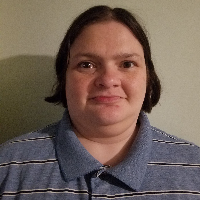
About Christina
Christina Wynkoop is a licensed professional clinical counselor (LPCC) in Ohio with 15 years of practice. She focuses on helping people manage stress, anxiety, trauma, mood concerns, and life transitions. Christina uses clear, practical guidance so clients know what to expect in sessions.
Her approach centers on listening first. She aims to understand each person's story and current struggles before suggesting steps forward. That helps her tailor strategies that fit day-to-day life rather than relying on one-size-fits-all plans.
Background and approach
Christina commonly uses cognitive behavioral techniques to help people spot unhelpful thinking and try small behavior changes. She also draws on trauma-focused methods to address the effects of past harm. Client-centered work grounds the process in each person's values and goals.
Sessions move at a steady, respectful pace. Christina offers tools for anxiety, mood swings, anger, and coping with grief or major changes. She also supports people dealing with family stress, parenting strain, identity gaps like emptiness or isolation, and complex mood disorders.
Her style is practical and down-to-earth. Christina invites honest conversation, gives clear options, and encourages clients to test what works. She helps people build skills for calmer days and steadier decision making.
How these approaches work online
Client-centered therapy focuses on understanding each person's perspective and priorities, then shaping sessions around their goals and pace. It helps when someone needs a respectful space to sort values and choices. Cognitive behavioral therapy (CBT) teaches practical skills to notice and change unhelpful thoughts and behaviors, which is useful for anxiety, panic, mood swings, and stress management. Trauma-focused therapy addresses how past harm affects current reactions and helps reprocess difficult memories and responses in smaller, manageable steps.Choosing the right approach is part of the work. The therapist will talk with the client about needs, goals, and preferences and then try approaches that fit. That collaborative process means methods can shift as progress and challenges become clearer.
Online formats make regular work easier to keep up. Video calls let visual cues guide therapeutic exercises and deeper conversations. Phone sessions can be shorter check-ins or an option when bandwidth is limited. Live chat and text-based messaging work well for brief reflections, coping reminders, or when someone needs flexible timing. Together these options help people fit sessions into busy lives and keep momentum between meetings.
Questions people ask
What concerns does she commonly address?
How would you describe her therapeutic style?
What background and experience does she bring?
What credentials and location apply to this therapist?
Which languages are sessions offered in?
What session formats are available online?
How are costs handled for sessions?
How do I begin working with her?
What this counselor works with
Most often
- Stress, Anxiety
- Trauma and abuse
- Anger management
Also listed
- Abandonment
- ADHD
- Adoption and foster care
- Bipolar disorder
- Blended family issues
- Career difficulties
- Co-morbidity
- Coping with life changes
- Depression
- Disruptive Mood Dysregulation Disorder (DMDD)
- Divorce and separation
- Domestic violence
- Emptiness
- Family conflicts
- Family problems
- Forgiveness
- Grief
- Guilt and shame
- Impulsivity
- Isolation / loneliness
- Mood disorders
- Panic disorder and panic attacks
- Parenting issues
- Post-traumatic stress
- Relationship issues
- Seasonal Affective Disorder (SAD)
- Self esteem
- Self-harm
- Self-love
- Sexual assault and abuse
- Sexuality
- Social anxiety and phobia
- Traumatic brain injury
- Women's issues
- Young adult issues
Therapeutic approaches
- Experience
- 15 years
- Licensed
- Ohio
- Languages
- English