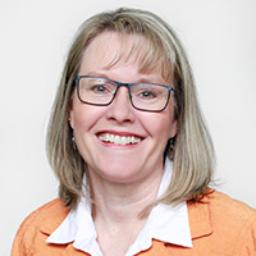
About Cherri
Cherri McCord is a Licensed Professional Counselor who focuses on practical support for stress, anxiety, depression, and addictions. She uses a warm, straightforward style to help people talk through hard moments and figure out next steps. Cherri works from Tennessee and brings 14 years of professional experience to her practice.
She centers sessions on the client's goals and values, listening first and shaping tools around what matters most. Cognitive Behavioral Therapy is often used to spot unhelpful thoughts and try new behaviors.
Background and approach
Dialectical Behavior Therapy skills and mindfulness practices are added when emotion regulation and distress tolerance are needed. Cherri also uses solution-focused and motivational interviewing techniques to help people find momentum and stay motivated during change. That combination can be useful for addiction concerns, career decisions, parenting strain, or life transitions.
She places an emphasis on simple, doable strategies rather than heavy theory. People come to her for a wide range of concerns including relationship and communication problems, caregiver stress, fertility and adoption-related issues, and mood conditions like bipolar disorder or seasonal affective disorder. Cherri helps clients break issues into manageable steps and build routines that support daily life.
Her style is collaborative and nonjudgmental. New clients complete a short matching questionnaire and then schedule sessions that fit their needs. Cherri aims to make starting therapy feel clear and approachable for people taking that first step.
How therapeutic approaches work online
Cherri commonly integrates Cognitive Behavioral Therapy and Dialectical Behavior Therapy into online work. CBT focuses on identifying unhelpful thoughts and testing small behavior changes to improve mood and reduce anxiety. DBT teaches concrete skills for managing intense emotions and improving interpersonal effectiveness, which can help with anger, relationship strain, and addiction triggers.Finding the right approach is a collaborative process. The therapist will talk with the client about goals, symptoms, and preferences and then suggest techniques to try. Together they adjust the plan over time so the methods match what the client needs and can use day to day.
Online formats include video calls, phone sessions, live chat, and text-based messaging. Video calls are good for face-to-face conversation and visual cues. Phone sessions work well when bandwidth is limited or for brief check-ins. Live chat and text messaging can support ongoing motivation, shorter check-ins, or people who prefer typing. These options make it easier to fit therapy into work, caregiving, or other busy schedules.
Questions people ask
What concerns does Cherri focus on?
What is her general therapy style?
How much clinical experience does she have?
Where is she licensed and based?
Which languages are supported?
What session formats are available?
How does billing and cost work?
How do I begin working with her?
What this counselor works with
Most often
Also listed
- Adoption and foster care
- Anger management
- Bipolar disorder
- Career difficulties
- Caregiver issues and stress
- Co-morbidity
- Communication problems
- Control issues
- Coping with life changes
- Divorce and separation
- Domestic violence
- Drug and alcohol addiction
- Fertility issues
- Infidelity
- Isolation / loneliness
- Life purpose
- Midlife crisis
- Narcissism
- Parenting issues
- Relationship issues
- Seasonal Affective Disorder (SAD)
- Self esteem
- Self-love
- Social anxiety and phobia
- Young adult issues
Therapeutic approaches
- Experience
- 14 years
- Licensed
- Missouri, Tennessee
- Languages
- English