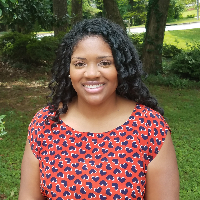
About Carlie
Carlie Sherman is a Licensed Professional Counselor with 11 years of experience. She works with adults who are struggling with stress, anxiety, trauma, ADHD, depression, and related concerns. Her style is direct and practical, aimed at helping people make steady, usable changes in daily life.
Carlie draws on cognitive behavioral techniques to help clients notice unhelpful thinking and try new behaviors. She also uses mindfulness practices to build attention and reduce reactivity.
Background and approach
In addition, she offers EMDR-informed work for people coping with traumatic memories and strong emotional responses. Her background includes hospital and crisis work as well as independent practice, so she is familiar with fast-moving situations and longer-term problems. That experience shapes how she structures sessions - clear goals, short-term tools, and attention to longer patterns that keep problems repeating.
Carlie pays attention to how biology, thinking, and social life interact. She helps people look at sleep, stress reactions, and daily routines alongside thoughts and relationships. This combined view guides practical steps clients can try between sessions.
Clients can expect an interactive approach that mixes skill-building, gentle challenge, and reflective practice. Carlie also brings personal experience with multiple spiritual traditions, which can inform conversations about values when appropriate. She focuses on helping adults strengthen focus, manage overwhelming feelings, and rebuild a sense of confidence.
Approaches That Translate Well Online
CBT focuses on identifying unhelpful thoughts and testing new behaviors. Online sessions can guide simple experiments and homework that fit into daily life, like changing sleep habits or testing social steps. Mindfulness therapy teaches attention and present-moment skills to reduce reactivity and improve focus. These practices work well in video or chat formats because they can be guided and practiced between contacts. EMDR-informed work helps people process distressing memories and intense emotional reactions. In remote sessions this can involve structured protocols and paced exercises tailored to the client's tolerance.Carlie approaches treatment collaboratively. She will talk with each person about goals, preferences, and what has or has not helped before. Together they decide which method to try first and adjust the plan as progress and comfort change. That collaborative process helps match skills and techniques to real-life demands.
Online therapy offers flexible ways to connect. Video calls allow face-to-face conversation and screen-sharing for worksheets. Phone sessions are useful when bandwidth is low or when a shorter check-in fits the schedule. Live chat and text-based messaging make it possible to get support between sessions or for people who prefer typed communication. These options help fit therapy into work, study, and family routines while keeping the focus on practical change.
Questions people ask
What kinds of problems does she help with?
What is her therapeutic style?
How much clinical experience does she have?
What are her credentials and where is she located?
Can I work with her if I live outside the United States?
Which session formats are available?
How much does therapy cost?
What do I do to begin working with her?
What this counselor works with
Also listed
- ADHD
- Coaching
- Commitment issues
- Communication problems
- Compassion fatigue
- Disruptive Mood Dysregulation Disorder (DMDD)
- Family conflicts
- Family problems
- Forgiveness
- Guilt and shame
- Impulsivity
- Isolation / loneliness
- LGBT
- Multicultural concerns
- Seasonal Affective Disorder (SAD)
- Self esteem
- Sleeping disorders
- Social anxiety and phobia
- Women's issues
- Workplace issues
- Young adult issues
Therapeutic approaches
- Experience
- 11 years
- Licensed
- Georgia
- Languages
- English