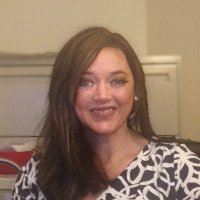
About Angela
Angela Dockins is a Licensed Professional Counselor (LPC) practicing in Missouri with 16 years of experience. She focuses on helping people who feel stuck by working alongside them to make gradual, meaningful changes. Her manner is warm and nonjudgmental, and she aims to help clients see themselves with more kindness.
She spends time learning what is most troubling for each person. Sessions break problems into small, realistic steps so change feels possible.
Background and approach
Angela uses straightforward tools to address things like anxiety, depression, stress, and sleep troubles as well as addiction and intense mood shifts. Trauma and painful past experiences are a central focus. She helps people process abandonment, neglect, and different forms of abuse, and supports work on attachment and self-harm behaviors.
Angela also works with concerns such as caregiver strain, first responder issues, guilt and shame, isolation, and identity questions including gender dysphoria. Her methods draw from acceptance and commitment ideas, cognitive-behavioral strategies, dialectical skills, EMDR, and a client-centered stance. That means sessions combine practical skill-building with attention to values and the relationship in the room.
She adapts approaches to fit what each person needs and prefers. Therapy with Angela is collaborative. She helps set goals and checks progress along the way.
People who want clear steps, emotional understanding, and steady support may find her approach helpful.
Online approaches that combine skills and healing
Angela uses cognitive-behavioral techniques to identify and change unhelpful thought and behavior patterns, which can help with anxiety, depression, sleeping problems, and impulsive behaviors. She also draws on Dialectical Behavior Therapy (DBT) skills to teach emotional regulation, distress tolerance, and better interpersonal effectiveness for people who feel overwhelmed by intense emotions.Finding the right approach is part of the work together. The therapist will talk with each person about their goals, needs, and preferences and then recommend strategies to try. Decisions about which methods to use are collaborative and may change as progress is made.
Online therapy offers flexibility through video calls, phone sessions, live chat, or text-based messaging. Video sessions allow face-to-face conversation and visual cues, phone sessions can be useful when bandwidth is limited, live chat is good for quick check-ins, and messaging supports shorter or more frequent reflections. These options make it easier to fit care into a busy life and to continue progress without traveling to appointments.
Questions people ask
What kinds of problems does she address?
What is her therapy style like?
How much experience does she have?
Where is she licensed and located?
Which languages are supported for sessions?
What session formats are available?
How are sessions paid for?
How do I begin working with her?
What this counselor works with
Most often
- Stress, Anxiety
- Trauma and abuse
- Anger management
Also listed
- Abandonment
- Addictions
- Attachment issues
- Bipolar disorder
- Caregiver issues and stress
- Compassion fatigue
- Control issues
- Coping with life changes
- Dependent personality
- Depression
- Domestic violence
- Drug and alcohol addiction
- Emptiness
- Family conflicts
- First responder issues
- Forgiveness
- Gender dysphoria
- Grief
- Guilt and shame
- Impulsivity
- Intimacy-related issues
- Isolation / loneliness
- Jealousy
- LGBT
- Midlife crisis
- Mood disorders
- Obsessions, compulsions, and OCD
- Panic disorder and panic attacks
- Personality disorders
- Post-traumatic stress
- Relationship issues
- Self esteem
- Self-harm
- Self-love
- Sexual assault and abuse
- Sleeping disorders
- Social anxiety and phobia
- Veteran and Armed Forces Issues
Therapeutic approaches
- Experience
- 16 years
- Licensed
- Missouri
- Languages
- English